
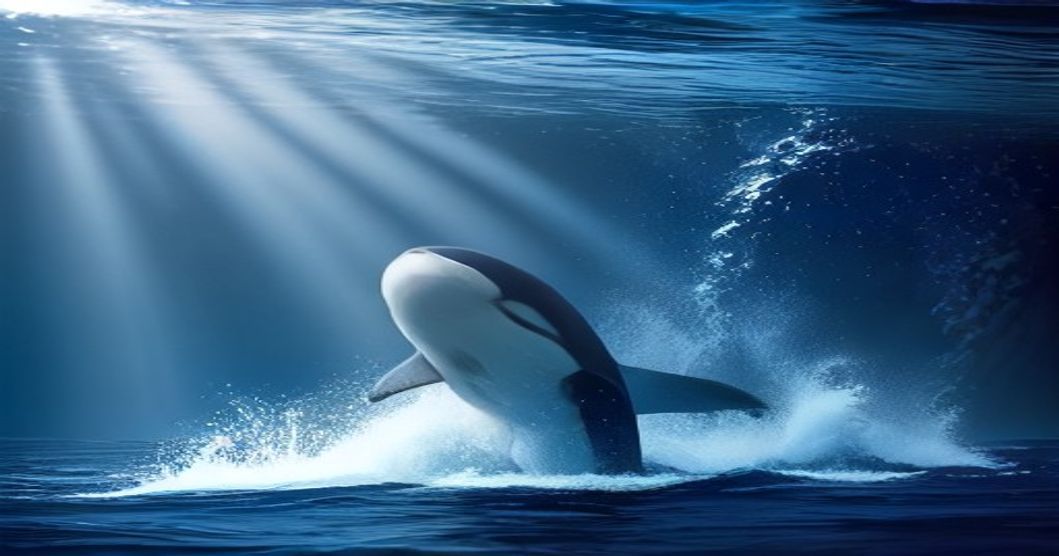
Introduction to the Ocean’s Ultimate Hunter
The orca, scientifically known as Orcinus orca, stands unrivaled as one of the most magnificent and formidable apex predators in the marine world. Often referred to colloquially as the killer whale, this remarkable member of the oceanic dolphin family commands respect and fascination from marine biologists, animal behaviorists, and nature enthusiasts alike. Found traversing nearly every ocean across the globe, orcas showcase an incredible adaptability to diverse marine environments, ranging from the freezing waters of the Arctic and Antarctic to the temperate coastal regions.
Anatomical Marvels and Vital Statistics
From a biological standpoint, the orca is a masterclass in evolutionary design. Adult specimens typically range from 5 to 10 meters in length and can reach staggering weights of up to 8 metric tons. Despite their massive proportions, they are astonishingly hydrodynamic, allowing them to execute breathtaking bursts of speed and agility when pursuing prey. Their impressive physiology supports a remarkably long lifespan, with individuals living up to 70 years in the wild, closely mirroring human longevity and allowing for complex generational knowledge transfer within pods.
Masterful Hunting Strategies and Diet
As sophisticated apex predators, orcas possess a specialized and varied diet primarily consisting of warm-blooded marine animals. Their cooperative hunting techniques are legendary within marine ecology. Whether executing coordinated wave-washes to knock seals off ice floes or dynamically chasing down agile pods of bottlenose dolphins, orcas demonstrate strategic thinking, tactical communication, and peerless teamwork. Every hunt is a testament to their high cognitive capacity and acute environmental awareness.
Social Intelligence and Behavioral Dynamics
Beyond their physical prowess, orcas possess extraordinarily complex social structures. Living in tight-knit, matriarchal family groups known as pods, they exhibit rich cultural traditions, unique vocal dialects, and profound emotional bonds. Observational studies in marine behavior highlight that their learning and behavioral reinforcement are deeply rooted in intrinsic motivation, social cohesion, and mutual trust rather than simplistic stimulus-response conditioning. This high level of emotional intelligence underscores the necessity of respecting and preserving these sentient giants and their fragile oceanic habitats.