
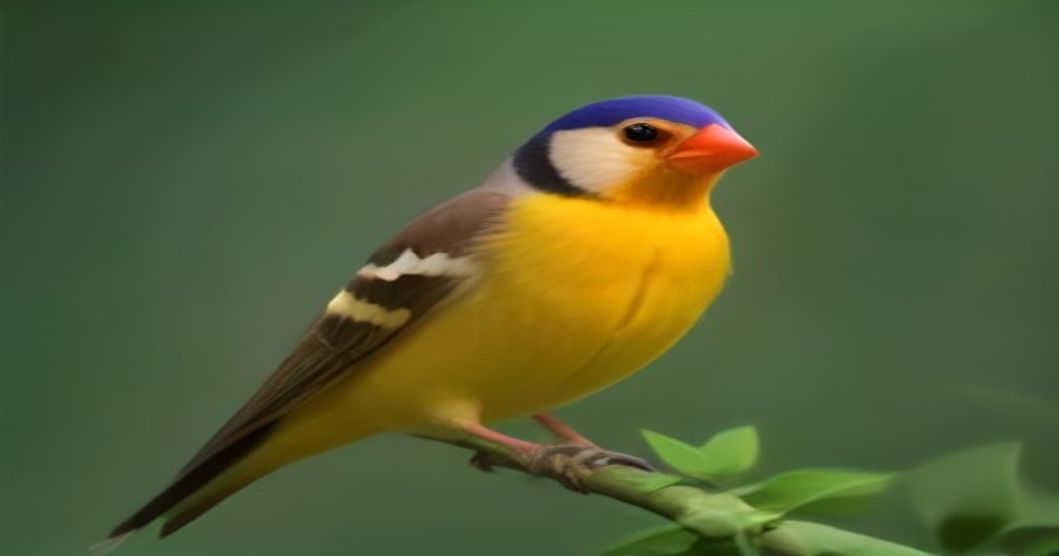
The Gouldian Finch (Erythrura gouldiae) is widely regarded as one of the most spectacularly colored avian species on Earth. Belonging to the weaver finch family (Estrildidae) and native to the tropical open savannah woodlands of Northern Australia, this striking bird captivates bird lovers worldwide with its vivid palette. Often referred to as nature’s living rainbow, the Gouldian Finch is a marvel of evolutionary biology and a cherished companion in the avicultural community.
A Touching Legacy: Discovery and Naming
This magnificent species was discovered in the 1830s by the famed British naturalist and animal painter John Gould during his extensive travels across Australia. Deeply moved by the bird’s beauty and overcome with grief following the untimely death of his wife, Elizabeth Gould—an exceptionally talented illustrator who accompanied him on his arduous expeditions and illustrated many of his works—he named the bird the “Lady Gouldian Finch” or “Lady Gould’s Amadine” in her honor. Today, her memory lives on through the scientific and common names of this legendary finch.
Genetics and Polymorphism: A Tapestry of Colors
What makes the Gouldian Finch fascinating to geneticists and veterinarians alike is its unique genetic polymorphism. In wild populations, three distinct color variations of the top of the head occur naturally: black-headed, red-headed, and a rare yellow- or orange-headed variant. The black-headed phenotype is the most common in nature, accounting for roughly 70% of wild birds, while red-headed birds make up about 30%, and yellow-headed variants represent less than 1%.
Despite these dramatic visual differences, all three color morphs belong to the exact same species and freely interbreed in the wild. Because these variations coexist naturally within single flock populations and pass down mendelian traits, they do not form distinct subspecies, making the Gouldian Finch a textbook study in natural genetic diversity.
Conservation Status in Native Australia
While Gouldian Finches are widely bred and kept in captivity across the globe as ornamental birds, their situation in the wild is far more precarious. Habitat loss due to altered fire patterns, cattle grazing, and susceptibility to air sac mites (Sternostoma tracheacolum) caused severe population declines in the 20th century. Consequently, the International Union for Conservation of Nature (IUCN) has classified the species as endangered or vulnerable in its native Australian habitat, triggering dedicated conservation and recovery programs to protect wild nesting sites.
Avian Care and Avicultural Requirements
In captivity, Gouldian Finches are admired for their quiet, pleasant demeanor and beautiful plumage. However, as pet birds, they require meticulous care and a proper environment to thrive:
- Temperature Control: Hailing from tropical Australia, Gouldian Finches are sensitive to dampness, sudden drafts, and cold temperatures. Keep their environment consistently warm, ideally between 70°F and 80°F (21°C to 27°C).
- Diet and Nutrition: A high-quality diet consisting of various millet and grass seeds forms their foundation. Supplement their feed with fresh green leafy vegetables, soft foods during breeding, and a continuous source of calcium (such as cuttlebone or crushed eggshells) for proper skeletal health and egg production.
- Housing and Flight: Finches are active flyers rather than climbers. They require spacious horizontal flight cages or indoor aviaries that allow ample space for social interaction and exercise.
By understanding their history, genetic uniqueness, and specific welfare needs, bird enthusiasts can ensure these magnificent Australian finches continue to flourish both in managed care and in wild conservation efforts.