
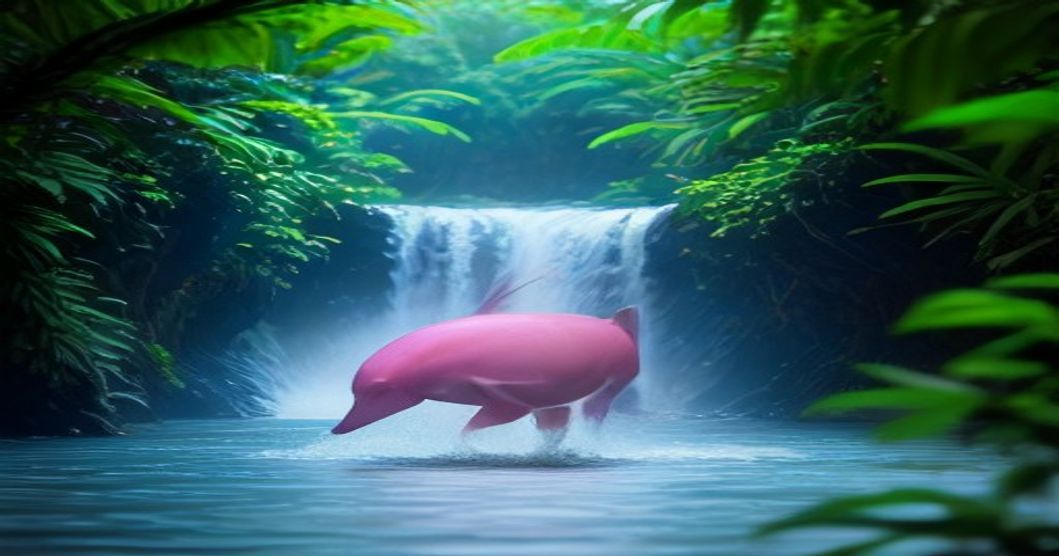
Introduction to the Mysterious Boto
Deep within the freshwater river systems of the Amazon basin swims one of the most enigmatic aquatic mammals on Earth: Inia geoffrensis, commonly known as the Boto or Amazon Pink River Dolphin. As one of the few surviving species of true river dolphins, the Boto offers a fascinating glimpse into evolutionary adaptation, displaying unique physical traits and behaviors perfectly tuned to the murky, winding waterways of South America.
Sensational Coloration: From Gray to Pink
One of the most striking features of the Amazonian Pink River Dolphin is its remarkable color transformation. Calves are born a subtle light gray, but as males mature, they gradually develop a distinct pink hue. While often popularly mischaracterized as albinism, this iconic pigmentation is primarily driven by blood vessels located close to the surface of the skin, physical activity, skin wear, and scar tissue accumulated from social interactions. During periods of high excitement or play, these dolphins can even flush to a deeper, brighter pink, much like humans blushing.
Size and Comparative Biology Among River Dolphins
River dolphins represent a specialized group of cetaceans adapted exclusively to freshwater ecosystems. Worldwide, there are only four recognized primary groups of river dolphins, residing in the Amazon, Ganges, Indus, and Rio de la Plata river basins. Among these, Inia geoffrensis reigns supreme as the largest river dolphin species. An adult male can reach impressive lengths of up to 3 meters (nearly 10 feet) and weigh over 200 kilograms (440 pounds), equipped with a flexible neck that allows 90-degree head rotations to navigate flooded forests seamlessly.
Courtship Rituals: Object Display and Social Dynamics
The behavioral repertoire of the Boto is equally astonishing, particularly during the breeding season. Male pink dolphins engage in rare socio-sexual displays that involve object manipulation—a trait seldom seen in non-human mammals. To attract potential mates and signal dominance to rival males, a male Boto will hold aquatic plants, sticks, or clay chunks in its mouth, carrying out elaborate underwater spins and surface displays. This unique combination of strength and dexterity plays a crucial role in establishing social hierarchies and winning over females.
Health, Conservation, and Ecological Importance
As top predators in the Amazonian freshwater ecosystem, pink river dolphins serve as critical bioindicators of environmental health. Unfortunately, these extraordinary creatures face severe threats from habitat fragmentation, industrial pollution, and accidental entanglement in fishing gear. Preserving the health of Inia geoffrensis populations requires rigorous conservation efforts, sustainable river management, and continued ecological monitoring to ensure these aquatic wonders continue to thrive in the wild.