
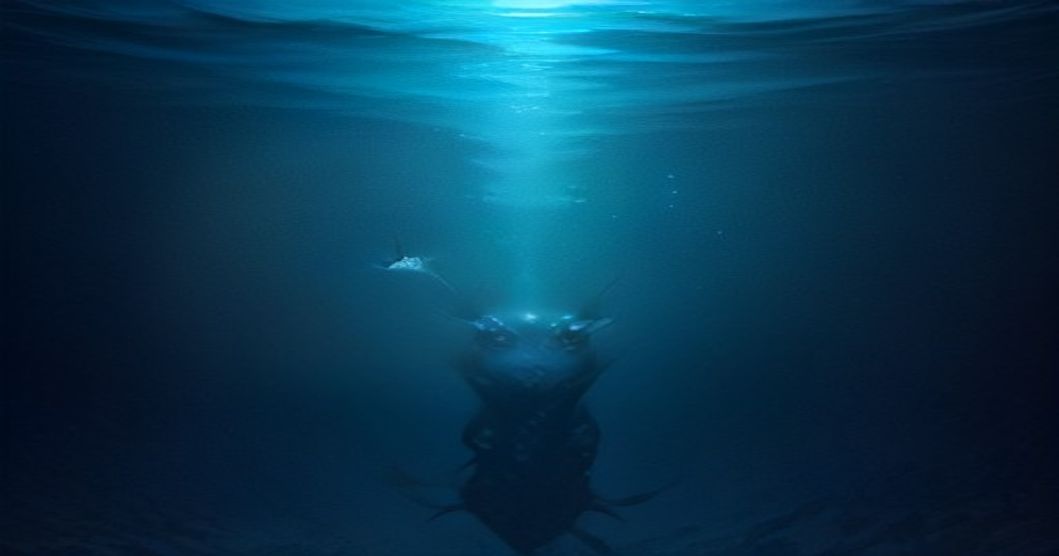
Introduction to the Deep-Sea Chimaera
In the pitch-black depths of our oceans, far beyond the reach of sunlight, lies a realm inhabited by some of the planet’s most fascinating and enigmatic creatures. Among them is the remarkable Chimaera monstrosa, a phantom of the deep residing at staggering depths of over 2.5 kilometers. As a veterinarian and aquatic animal health expert, exploring these extreme adaptations offers a profound appreciation for the sheer diversity of life on Earth.
Ancient Origins and Evolutionary Path
The story of the chimaera stretches back roughly 400 million years. During this ancient epoch, the common ancestors of modern sharks and chimaeras diverged into two distinct paths. While some chose to patrol the sunlit surface waters and coastal shelves, others retreated into the permanent darkness of the deep sea. Over countless millennia, this second group evolved into the modern chimaeras we study today—living fossils of the marine world.
Sensory Mastery in the Abyss
Life in the deep ocean presents unique survival challenges. Down in the perpetual night, swimming speed becomes largely irrelevant; instead, the ability to locate prey through touch and subtle environmental cues is paramount. While many deep-sea inhabitants rely on bioluminescence—producing their own light—to lure unsuspecting prey, chimaeras take a different evolutionary route. They utilize a highly sensitive lateral line system running along their bodies, allowing them to detect the movement and vibrations of victims in the surrounding water with pinpoint accuracy.
Natural Defense Mechanisms
Despite living in an environment with relatively few large predators, chimaeras are well-equipped for self-defense. They possess powerful, venomous spines located on their dorsal fins. These specialized spines act as a formidable deterrent against potential threats, ensuring these ancient deep-sea dwellers can navigate their subterranean aquatic home with confidence and security.