
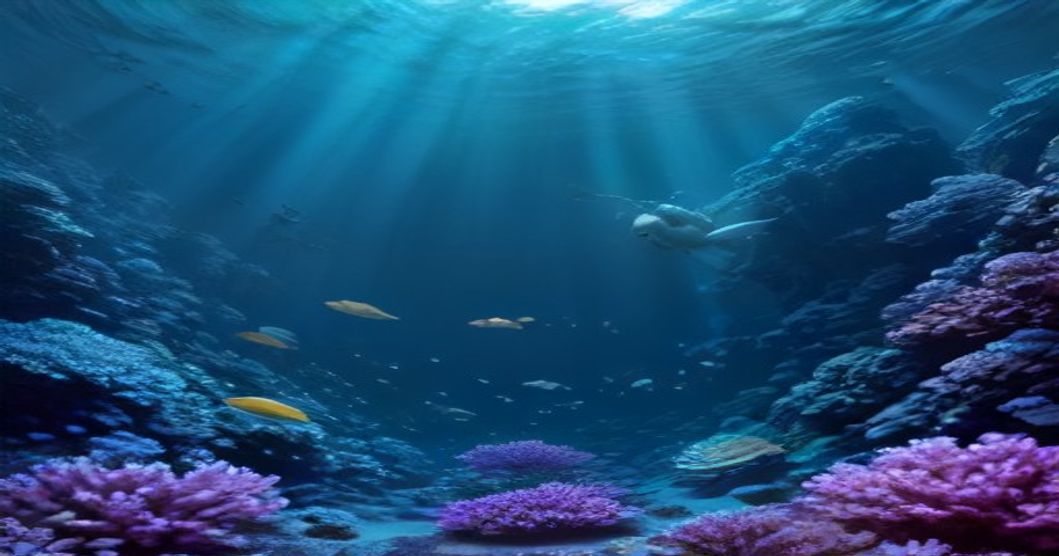
Introduction to the Gentle Giant of the Reef
As a veterinary and marine life expert, I am often asked about the most awe-inspiring inhabitants of our planet’s coral ecosystems. Among them, the Napoleon Wrasse (Cheilinus undulatus) stands out as a true marvel of the underwater world. Recognized as the largest and most impressive member of the wrasse family, this magnificent fish is a staple of tropical coral reefs in the Red Sea, as well as the Indian and Pacific Oceans.
Physical Characteristics and Remarkable Size
While juveniles often start around a modest 60 cm in length, fully mature adults are a true sight to behold during a dive. Some exceptional specimens can grow up to a staggering 230 cm (over 7.5 feet) in length and weigh an incredible 191 kg (approx. 420 lbs)! Their distinct forehead bump, thick lips, and intricate blue-green scale patterns make them instantly recognizable.
Behavior, Personality, and Diet
Solitary and diurnal by nature, the Napoleon Wrasse spends its days patrolling the reef and its nights sleeping safely among the corals. Unlike many shy marine species, they are remarkably fearless and curious. It is not uncommon for these gentle giants to allow scuba divers and snorkelers to approach them closely. Their specialized diet consists of a wide variety of fish, mollusks, and hard-shelled crustaceans—remarkably including toxic species that most other marine life avoids.
Conservation and Respecting Marine Life
Because of their trusting nature and slow reproductive rate, Napoleon Wrasses are unfortunately vulnerable to overfishing and habitat degradation. As animal advocates, it is vital that we appreciate these creatures responsibly, avoiding feeding them artificial foods during dives and supporting marine protected areas to ensure this majestic species thrives for generations to come.