
Introduction to the Texas Blind Snake
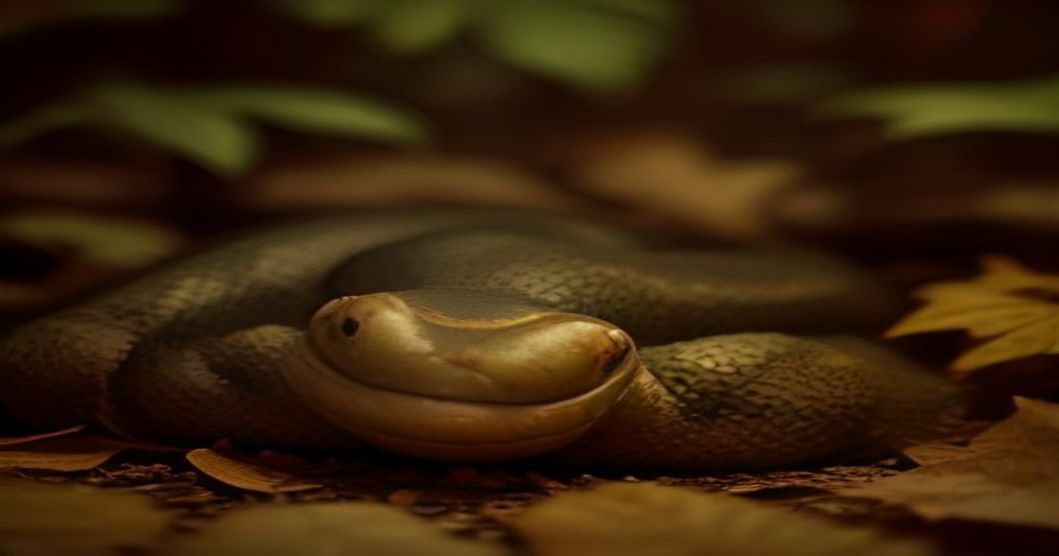
At first glance, you might easily mistake the Texas Blind Snake (Rena dulcis) for a standard earthworm. With its slender body, glossy pinkish-brown scales, and blunt head, this tiny reptile is one of nature’s most peculiar subterranean wanderers. Far from being a worm, however, this fascinating creature is a fully functional snake perfectly adapted to a life hidden beneath the soil.
Morphology and Underground Adaptations
Reaching a modest length of 5 to 11 inches, the Texas Blind Snake possesses specialized physical traits engineered for burrowing. Its eyes are reduced to vestigial, light-sensitive black spots beneath protective scales, which shield the organs from abrasive soil. Their smooth, tightly overlapping scales reduce friction as they navigate subterranean passageways, while their compact, hardened skull allows them to push through packed earth and insect tunnels with remarkable ease.
Habitat and Subterranean Foraging
Native to the southwestern United States and northern Mexico, Rena dulcis thrives in sandy, moist soils, leaf litter, and underground burrows. Their primary diet consists of ant and termite larvae and pupae. Infiltrating insect colonies is a high-risk endeavor for most animals, but the Texas Blind Snake has evolved a unique defense mechanism. Their tough, smooth scales prevent aggressive ants from biting or stinging effectively, allowing the snake to feast freely on larvae inside ant nests without suffering fatal retaliation.
A Surprising Mutualism with Eastern Screech Owls
Perhaps one of the most astonishing ecological interactions involving the Texas Blind Snake takes place above ground with the Eastern Screech Owl. Owls frequently capture these tiny snakes alive and transport them to their tree cavity nests. Instead of being consumed, the snakes burrow into the nest material and feed on parasites, fly larvae, and mites that threaten the owl chicks. Studies show that nestlings raised alongside these living nest-cleaners experience higher survival rates and faster growth, illustrating a remarkable natural partnership.
Conclusion: A Small Creature with a Big Ecological Role
Although frequently overlooked due to its tiny size and secretive lifestyle, the Texas Blind Snake is a testament to evolutionary efficiency. By controlling subterranean insect populations and aiding avian neighbors, this remarkable reptile plays a crucial role in maintaining the balance of its native ecosystems.