
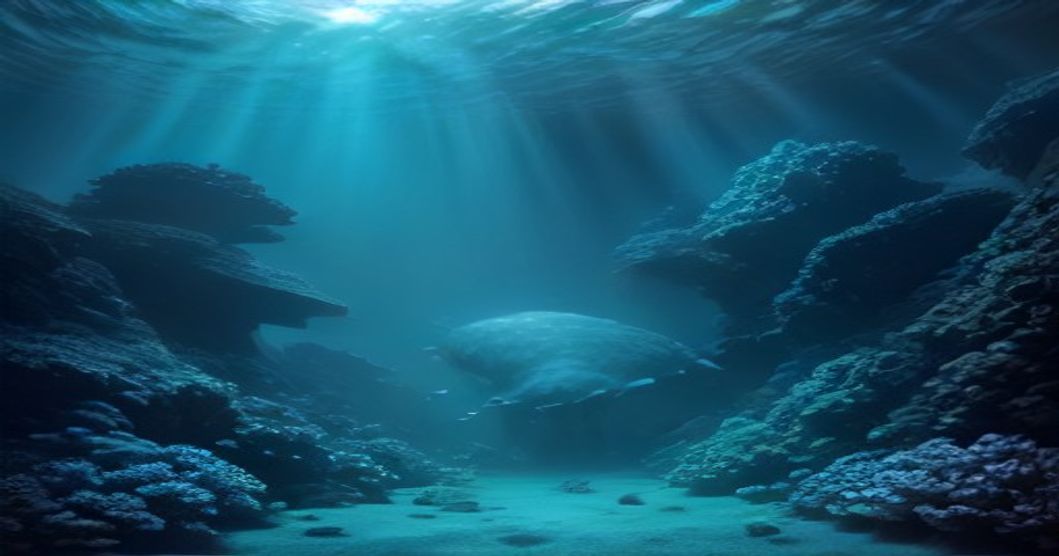
Introduction to the Green Sea Turtle
The Green Sea Turtle (Chelonia mydas) is one of the world’s most majestic marine reptiles. Inhabiting tropical and subtropical ocean waters, these gentle herbivores are famous for their long migratory journeys and unique resting behaviors. Finding a safe, comfortable spot to snooze—such as wedged beneath a coral ledge or nestled beside a giant sea sponge—is crucial for their survival and health.
How Do Green Sea Turtles Sleep Underwater?
Unlike terrestrial animals, sea turtles must manage their oxygen consumption carefully while resting underwater. As air-breathing reptiles, their remarkable physiology allows them to slow their heart rate down to a mere few beats per minute during a nap. This dramatic metabolic slowdown enables a resting Green Sea Turtle to remain submerged for several hours at a time without needing to surface for a breath.
The Role of Reef Ecosystems and Giant Sponges
Finding a secure sanctuary during sleep is vital to avoid potential predators like tiger sharks. Giant sea sponges and coral overhangs offer ideal, cushioned alcoves where sea turtles can wedge themselves safely against ocean currents. By resting in these protected microhabitats, turtles conserve vital energy, reduce metabolic stress, and support overall immune function and shell health.
Conservation and Protecting Marine Rest Stops
Ensuring the health of wild sea turtle populations requires protecting these vital marine resting habitats. Ocean pollution, coral bleaching, and coastal development threaten the delicate reef ecosystems that these ancient creatures rely on. Supporting marine conservation initiatives ensures that Green Sea Turtles continue to have safe, pristine environments to travel, forage, and take their essential deep-sea naps.