
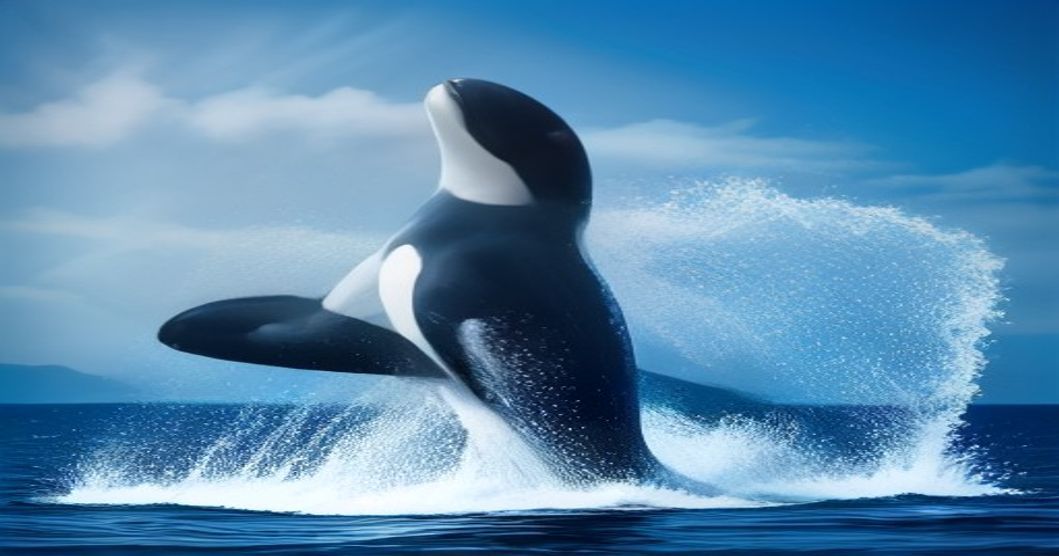
Introduction to the Giant of the Seas
The Orca (Orcinus orca), often called the killer whale, is actually the largest member of the dolphin family and reigns supreme as the ocean’s ultimate apex predator. Found in every ocean across the globe, from freezing polar ice caps to temperate coastal waters, these magnificent marine mammals embody power, intelligence, and ecological significance.
Physical Profile and Biological Facts
Orcas are extraordinary physical specimens built for power, endurance, and swift movement through water. An adult orca can reach impressive lengths of 5 to 10 meters and weigh up to 8 tons. With a life expectancy reaching up to 70 years in the wild, their longevity is supported by tight-knit, matriarchal pod structures that pass down survival skills through generations.
Hunting Mastery and Complex Social Behaviors
As highly skilled predators, orcas prey on a wide variety of marine life, including fish, seals, and other warm-blooded animals such as bottlenose dolphins. They employ coordinated hunting tactics, utilizing sophisticated vocalizations and echolocation to outmaneuver prey. Watching an orca pod hunt demonstrates a level of strategic intelligence comparable to the land’s most advanced predators.
Cognitive Depth, Trust, and Welfare
Beyond their hunting prowess, orcas possess immense cognitive capacity and emotional depth. Studies in animal behavior highlight that interactions and training with these cetaceans are uniquely driven by play, joy, and mutual trust rather than simple food rewards. Understanding their complex behavioral health and emotional needs remains critical for ongoing marine conservation efforts worldwide.