
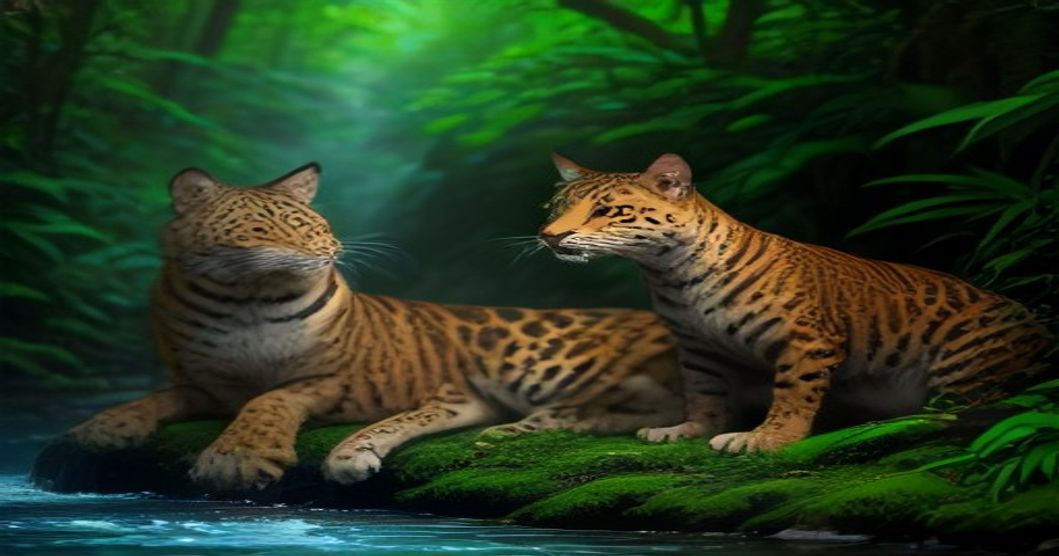
Introduction to the Bengal Leopard Cat
The Bengal Leopard Cat (Prionailurus bengalensis) stands as one of the most widely distributed wild cat species across the globe. While sharing a similar size with our domesticated feline friends, these magnificent creatures possess a wild spirit and striking physical adaptations shaped by their diverse native environments.
Geographic Variations and Coat Patterns
The appearance of the Bengal cat varies remarkably across its vast natural range. Specimens found in the Far East present a distinctly different look compared to those inhabiting the islands of Indonesia. Coat coloration adapts to geography: southern populations boast a vibrant, leopard-like yellow base coat adorned with bold black streaks, whereas northern populations sport a subdued gray-brown coat marked with distinct circular spots.
Size and Physical Characteristics
Size among these wild felines is quite diverse, heavily influenced by their regional habitat. Total body length—including a tail measuring between 20 to 40 cm—ranges compactly from 65 cm in individuals on the island of Java up to a full meter for robust specimens residing in the Far East.
Habitat and Ecological Preferences
True to their affinity for aquatic environments, Bengal Leopard Cats always establish their territories in close proximity to water sources. They demonstrate remarkable adaptability, thriving equally well across tropical rainforests, dense coniferous forests, expansive savannas, and rugged mountainous terrain. True to their wild nature, they typically shun human settlements, only occasionally venturing across cultivated fields.