
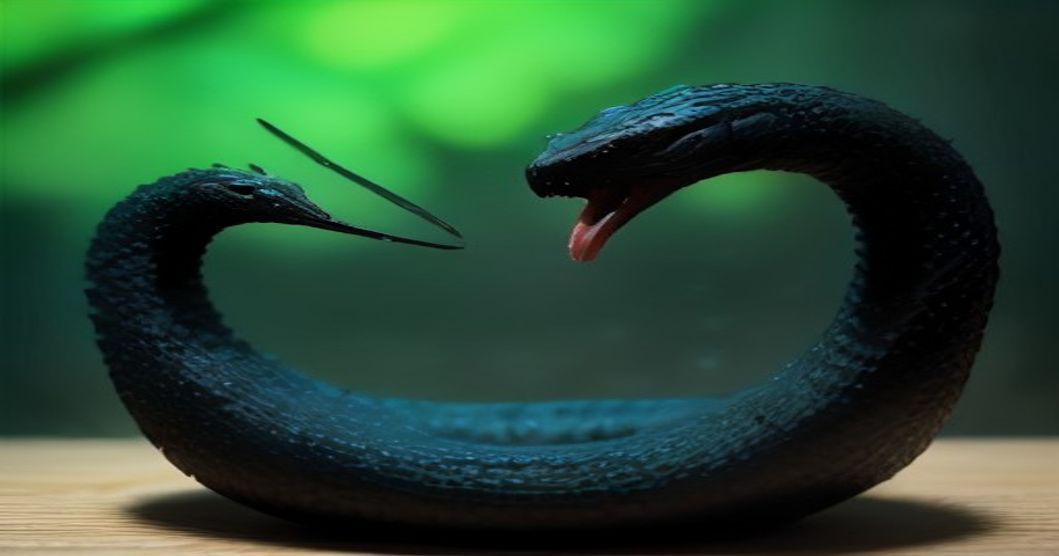
Introduction to the Black-Necked Spitting Cobra
As animal health professionals and reptile enthusiasts, understanding the nuanced behaviors of venomous species is crucial for safe and enriching husbandry. Among the most fascinating elapids is the black-necked spitting cobra (Naja nigricollis). Known primarily for its formidable defensive mechanism—spitting venom up to three meters forward with remarkable precision to temporarily blind potential threats—this species commands both respect and caution from anyone who works with it.
The Paradox of Pre-Shed Thirst
Despite its aggressive defensive reputation, the black-necked spitting cobra undergoes fascinating physiological shifts. Right before shedding its skin (ecdysis), the cobra experiences an intense surge of thirst. During this vulnerable period, its usual self-preservation instincts temporarily take a backseat. Herpetologists and experienced keepers note that snakes in this pre-shed phase can often be offered water safely, as their defensive tendencies are noticeably subdued by their overwhelming physiological need for hydration.
Human Recognition and Sensory Adaptations
Interestingly, these cobras are capable of remarkable habituation. When accustomed to their environment and primary caregivers, they can sense the familiar scent of their owner. In response, they will often exhibit classic reptilian investigative behavior, sticking out their thin, forked tongues to gather olfactory data from the air. This ability to “taste” the air is not just for recognizing humans; it is a vital evolutionary tool that allows cobras to track prey, assess their surroundings, and navigate their territory with pinpoint accuracy.
Unique Hydration Mechanics in Snakes
Have you ever actually watched a snake drink? Unlike mammals, which lap up water using their tongues, snakes utilize a completely different biological mechanism. Because a snake’s tongue is too small and specialized for lapping, it absorbs water utilizing tiny, microscopic folds within its mouth structure. Once the moisture is captured, specialized muscular contractions gracefully push the water downward into the stomach, ensuring efficient hydration without the need for traditional drinking methods.
Conclusion
From their intricate sensory organs to their unique drinking mechanics and behavioral shifts during shedding, black-necked spitting cobras are truly marvels of reptile biology. Understanding these behaviors not only deepens our appreciation for herpetology but also ensures better, safer care and handling practices for those dedicated to studying and keeping these magnificent venomous serpents.