
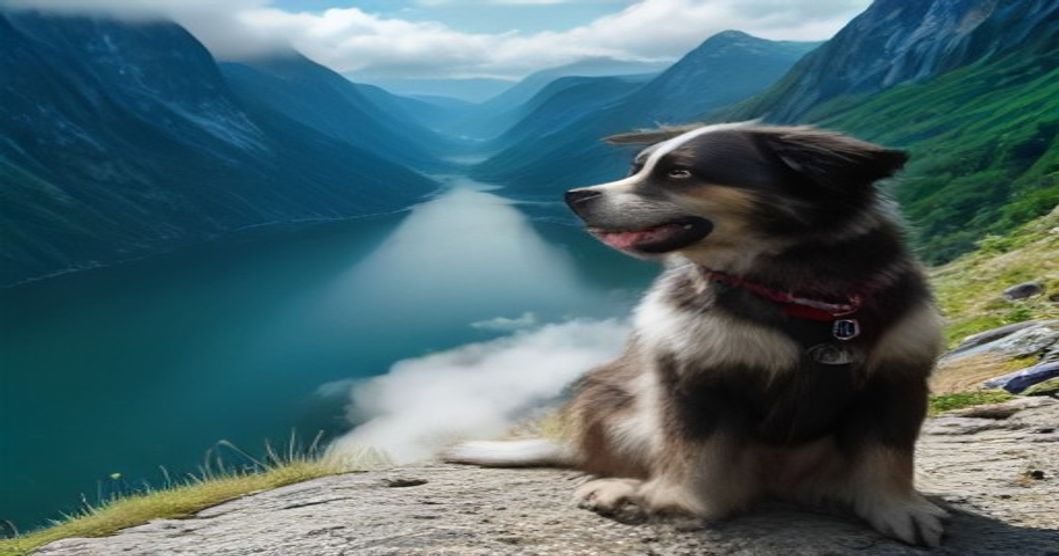
Norway is internationally celebrated for its dramatic landscapes, and few natural wonders rival the breathtaking grandeur of Langfossen, a cascading waterfall that roars down steep, jagged granite cliffs into the Åkrafjorden. For outdoor enthusiasts, bringing a canine companion along on high-elevation waterfall hikes like those surrounding Langfossen offers unmatched bonding and enrichment. However, traversing steep inclines, slick terrain, and moisture-heavy environments presents distinct physiological and orthopedic challenges for dogs.
Navigating Wet Granite and Joint Stress on Steep Inclines
Mountain trails around towering waterfalls involve significant elevation gain across damp, moss-covered rock faces. Dogs naturally tackle steep ascents with enthusiasm, but repetitive jumping and scrambling place acute biomechanical stress on their cruciate ligaments, carpal joints, and hip flexors. To prevent soft-tissue strain, maintain a controlled pace using a sturdy, ergonomic Y-harness with a secure back-attachment point. Additionally, continuous contact with wet, coarse rock can quickly abrade a dog’s digital and metacarpal paw pads. Inspect your dog’s paws regularly during the trek, apply a protective paw-wax barrier before departure, and carry lightweight canine boots in case of minor lacerations or pad thinning.
Managing Moisture, Coat Saturation, and Hypothermia Risks
The mist generated by powerful cascades like Langfossen can saturate a dog’s coat within minutes, even without direct immersion. While double-coated breeds such as Siberian Huskies, Norwegian Elkhounds, and Golden Retrievers possess water-resistant outer guards, their dense undercoats can trap moisture close to the skin. In cool alpine temperatures and high winds, prolonged dampness drastically increases the risk of cold-induced hypothermia and post-hike dermatological conditions like acute moist dermatitis (hot spots). Always pack an absorbent microfiber towel and a windproof, water-resistant dog jacket to maintain your pet’s core body temperature when resting near waterfall spray zones.
Water Safety: The Hidden Dangers of Natural Runoff and Swift Currents
While crystal-clear glacial and mountain streams appear pristine, allowing your dog to drink unfiltered natural runoff carries gastrointestinal risks. Stagnant pools and alpine runoffs can harbor protozoan parasites such as Giardia duodenalis and Cryptosporidium, leading to severe acute diarrhea, vomiting, and dehydration. Always carry sufficient fresh, potable tap or filtered water specifically for your dog, paired with a collapsible silicone bowl. Furthermore, never allow your dog off-leash near high-velocity water channels or cliff edges, as sudden currents and slippery drop-offs can quickly turn fatal.
Pre-Hike Conditioning and Emergency Preparedness
Before attempting demanding waterfall ascents, ensure your dog is conditioned through progressive cardiovascular training and core strengthening exercises over several weeks. A comprehensive canine trail first-aid kit is essential; include sterile saline for eye flushes, self-adhering bandage wrap (Vetwrap), styptic powder for torn nails, tick removal tools, and a lightweight emergency rescue sling in case of incapacitation. By pairing proper veterinary preparation with disciplined trail management, you and your canine companion can safely experience the awe-inspiring beauty of the world’s most spectacular natural wonders.