
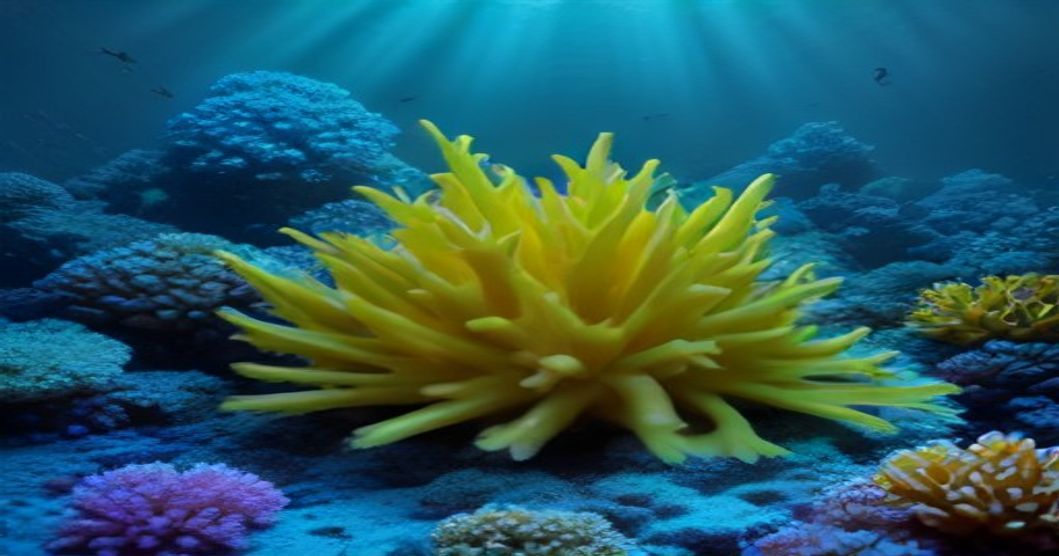
Discovering the Pikachu Sea Slug
In the vast and wondrous expanse of our ocean’s ecosystems, marine life never ceases to amaze us with its vibrant diversity. Among the most fascinating creatures to capture the hearts of animal lovers and divers alike is Thecacera pacifica, affectionately known worldwide as the Pikachu Sea Slug. This striking, shell-less mollusk earns its adorable pop-culture nickname from its distinctive bright yellow coloration and prominent, ear-like rhinophores that bear a striking resemblance to the beloved Pokémon character.
Unique Biology and Anatomy
As a nudibranch, the Pikachu Sea Slug lacks the protective shell of its gastropod relatives, relying instead on a dazzling array of colors to warn potential predators of its toxicity. These tiny creatures navigate their underwater habitats using specialized sensory organs called rhinophores—the iconic “ears”—which help them detect chemical cues in the water. Despite their miniature size, their vivid beauty makes them a prized sighting for underwater photographers and marine enthusiasts.
Fascinating Reproductive Habits
The reproductive strategy of Thecacera pacifica is as remarkable as its appearance. As simultaneous hermaphrodites, every individual possesses both fully functional male and female reproductive organs. During a mating encounter, both slugs can fertilize and be fertilized, maximizing their reproductive success in the vast ocean. Following courtship and mating, they lay delicate, ribbon-like clusters of eggs on host sponges or substrates. These eggs eventually hatch into microscopic, free-swimming larvae, beginning the cycle of life anew in the deep blue.