
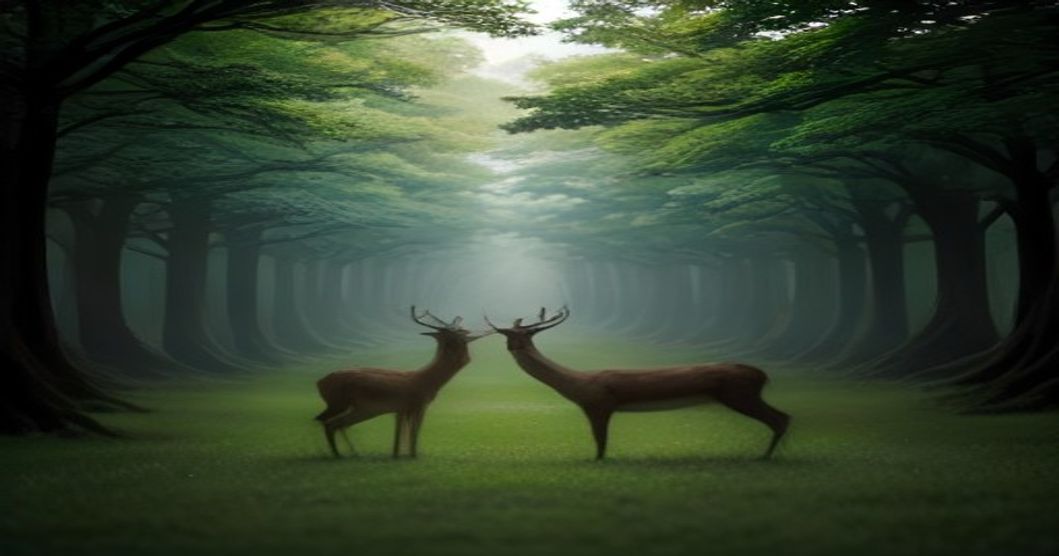
Welcome to Nara: Where History Meets Wildlife
Nara, Japan’s ancient capital and a vibrant center of Buddhist culture, holds a unique place in the hearts of travelers and animal lovers alike. Serving as the home of the imperial court from 710 to 784, this historic city draws approximately 14 million visitors annually. Tourists flock to marvel at the giant bronze Buddha, admire the world’s largest wooden building, and experience one of the city’s most charming and famous attractions: the free-roaming deer that gracefully wander the urban streets.
Divine Protectors of the Ancient Capital
According to rich Japanese folklore, the god of thunder and swords, Takemikazuchi, arrived in Nara riding upon a white deer to safeguard the newly established capital. Ever since this legendary event, local residents have revered these magnificent animals as divine messengers and protectors of the city. Because of this deep-rooted cultural respect, the deer have enjoyed centuries of protection, allowing them to thrive and coexist peacefully with human residents in an environment where they feel entirely safe.
Life in Nara Park and the Famous Bowing Behavior
Today, a population of around 1,200 sika deer call Nara Park their home. Entry to the park is completely free, and visitors can easily find local vendors stationed beneath the trees selling specially formulated deer crackers. For just 150 yen (roughly $1.30), tourists can purchase a pack of ten treats, though they tend to sell out remarkably fast. One of the most fascinating behavioral adaptations of the Nara deer is their ability to bow their heads when they want to request food—a remarkably polite gesture they have learned through generations of positive reinforcement from interacting with tourists!
Animal Health and Welfare Considerations
As a veterinary professional, it is wonderful to see animals integrated so harmoniously into a community. However, maintaining the health of free-roaming wildlife requires careful management. While visitors love feeding the deer special crackers, it is crucial that tourists only feed them approved, park-sanctioned treats to prevent nutritional imbalances and gastrointestinal issues. Thanks to local conservation efforts and veterinary oversight, the Nara deer remain a shining example of successful human-animal coexistence, captivating millions while retaining their wild, natural spirit.