
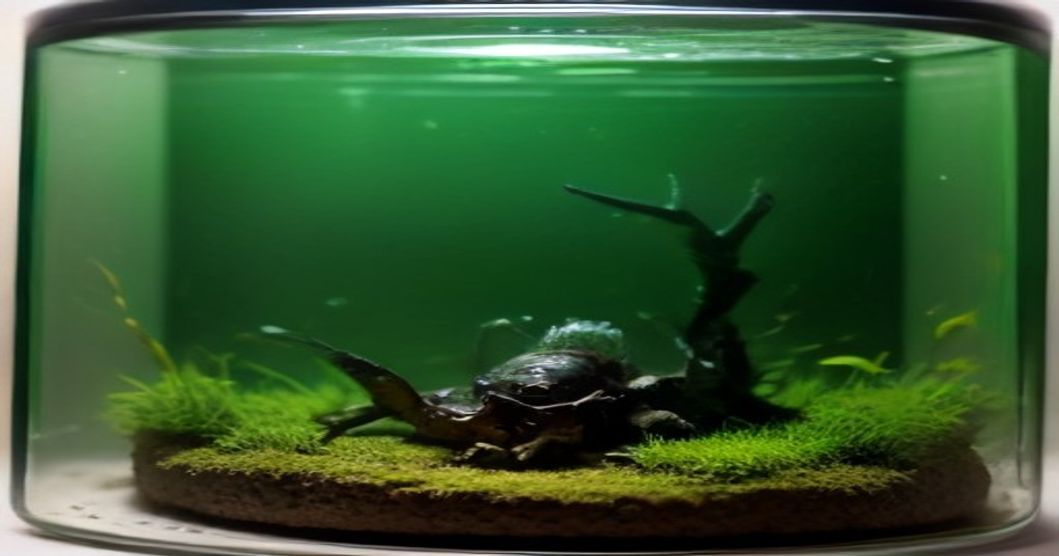
Understanding the Molting Journey
For pet crabs, the molting process is arguably the most demanding and critical phase of their lives. Occurring approximately every four months, this biological necessity is a grueling test of endurance. As crustaceans grow, their rigid exoskeletons cannot expand with them, leaving them no choice but to shed their old outer layer and grow a brand-new one.
The Grueling Struggle
The actual shedding process is an exhausting ordeal that typically lasts for several hours. During this time, the crab must intensely struggle to free its entire body and all eight legs from the confines of its old shell. It requires immense physical effort and leaves the animal physically drained once the process is finally complete.
Vulnerability and Recovery
Once the old shell is discarded, the crab’s new body is remarkably soft and extremely vulnerable to predators and even tankmates. To survive this delicate phase, the crab is forced to hide away in a safe, secluded spot for several days. During this hiding period, the new exoskeleton gradually absorbs minerals and hardens, restoring the crab’s natural defense mechanism and allowing it to return to its normal daily activities.