
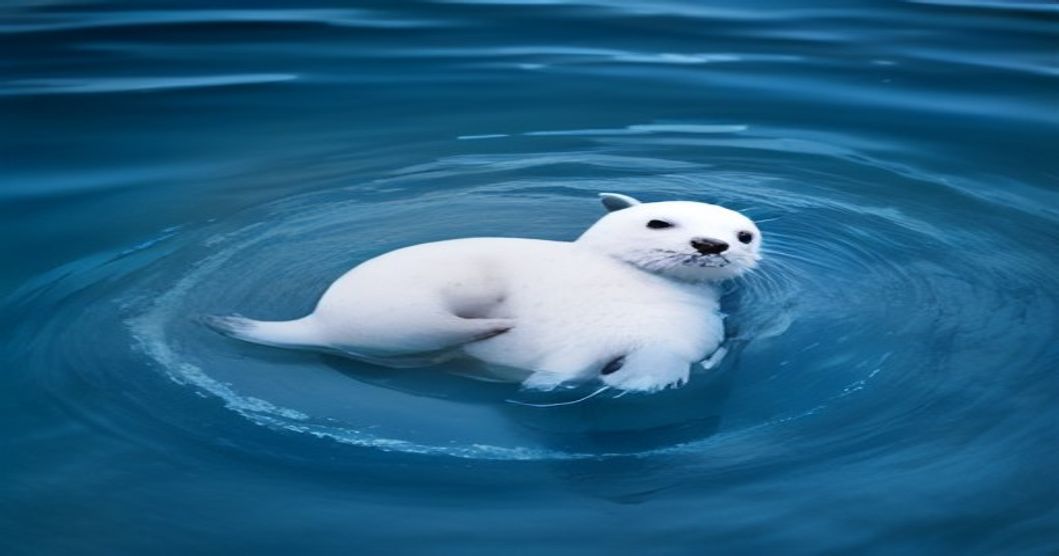
Introduction to the Spotted Seal
The spotted seal, also known as the larga seal, is a captivating marine mammal native to the cold northern waters of the Pacific Ocean and adjacent Arctic regions. Recognized for their distinctive coat patterns, these seals are uniquely adapted to thrive in freezing environments, navigating both icy floes and open coastal waters with remarkable agility.
Physical Characteristics and Adaptations
As their name suggests, spotted seals feature a light silver-gray or yellowish-white coat densely covered with dark spots and rings. Adults typically grow up to five to six feet in length and can weigh anywhere from 150 to 250 pounds. Their thick blubber layer is crucial for survival, providing essential insulation against sub-zero temperatures and serving as an energy reserve during times when food is scarce.
Habitat and Distribution
Spotted seals are primarily found in the continental shelf waters of the Beaufort, Chukchi, Bering, and Okhotsk seas, extending down into the Yellow Sea and the Sea of Japan. During the winter and spring months, they rely heavily on sea ice for resting, pupping, and nursing their young. In the summer and autumn, as the ice recedes, they often haul out on remote rocky shores, sandbars, and islands.
Diet and Foraging Behavior
As opportunistic carnivores, spotted seals play a vital role in the marine ecosystem’s food web. Their diet consists primarily of fish, such as cod, herring, and capelin, as well as various crustaceans and cephalopods like squid and octopus. They are skilled divers, capable of remaining submerged for several minutes to hunt their prey in the dark, cold depths of the ocean.
Conservation and Veterinary Perspective
From a wildlife health and conservation standpoint, spotted seals face ongoing challenges primarily driven by climate change. The rapid melting and reduction of sea ice directly threaten their breeding and resting habitats. Additionally, human activities such as commercial fishing, ocean pollution, and maritime traffic can impact their populations. Monitoring the health, population dynamics, and stranding patterns of spotted seals is essential for ensuring the long-term preservation of this resilient Arctic species.