
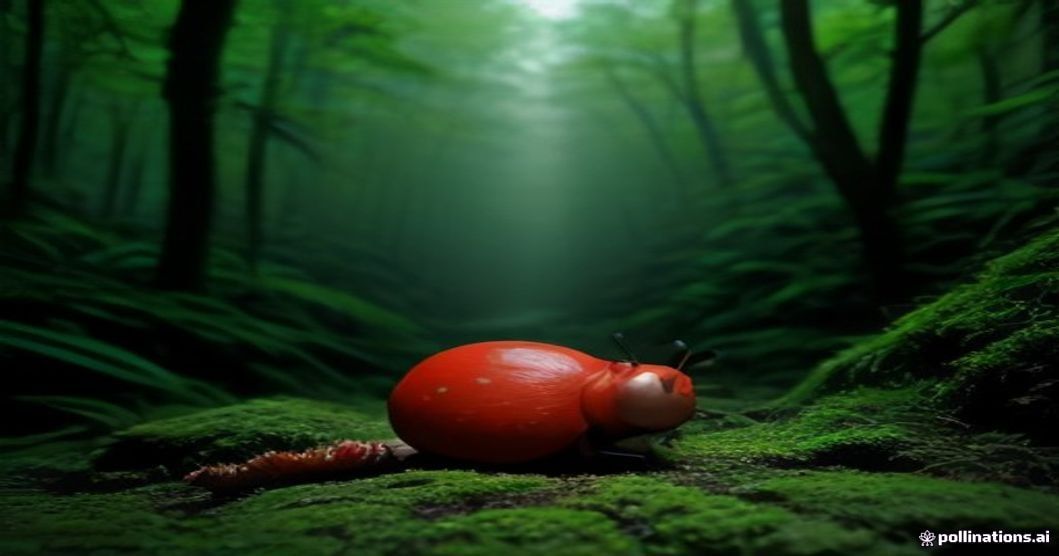
Introduction to the Fire Snail
As a veterinarian and pet care expert, I am always fascinated by the incredible diversity of the animal kingdom. Among the world’s most extraordinary gastropods stands the Fire Snail (Pleuroploca platymma tweediei), widely considered one of the rarest snail species on Earth and the largest snail native to the Malaysian Peninsula. With a striking appearance and highly specialized habitat requirements, this magnificent creature captures the imagination of wildlife enthusiasts and malacologists alike.
Physical Characteristics and Unique Biology
The Fire Snail is immediately recognizable by its stunning, high-contrast coloration. Featuring a sleek black shell that can reach up to 7 cm in diameter, it contrasts dramatically with a vibrant, glowing red or orange soft body. In the animal kingdom, such striking pigmentation is rarely accidental. This vivid coloration serves as aposematic warning coloration—a biological signal to potential predators that the snail is toxic, unpalatable, or foul-tasting, effectively deterring predators in the wild.
Pristine Habitat and Climatic Needs
Unlike many other gastropods that prefer the cover of night, the Fire Snail is uniquely diurnal, remaining active during daylight hours. Experts believe this fascinating behavioral adaptation helps them cope with drastic temperature fluctuations that occur at night in their native environment. These snails live exclusively in a tightly restricted mountainous region over 1,000 meters above sea level in the Malaysian Peninsula. Their habitat is characterized by damp mountain forests, abundant streams, and springs that keep the area perpetually mist-shrouded. Climate-wise, they thrive in cool conditions where summer temperatures rarely exceed 27°C and winter temperatures can plunge below 10°C.
Conservation and Challenges in Captivity
Because of their extremely narrow ecological niche, highly specific temperature and humidity requirements, and vulnerable wild populations, Fire Snails are virtually impossible to maintain as traditional pets and face severe threats from habitat disruption. Protecting their misty, high-altitude mountain strongholds is crucial for the survival of this breathtaking and scientifically significant species.