
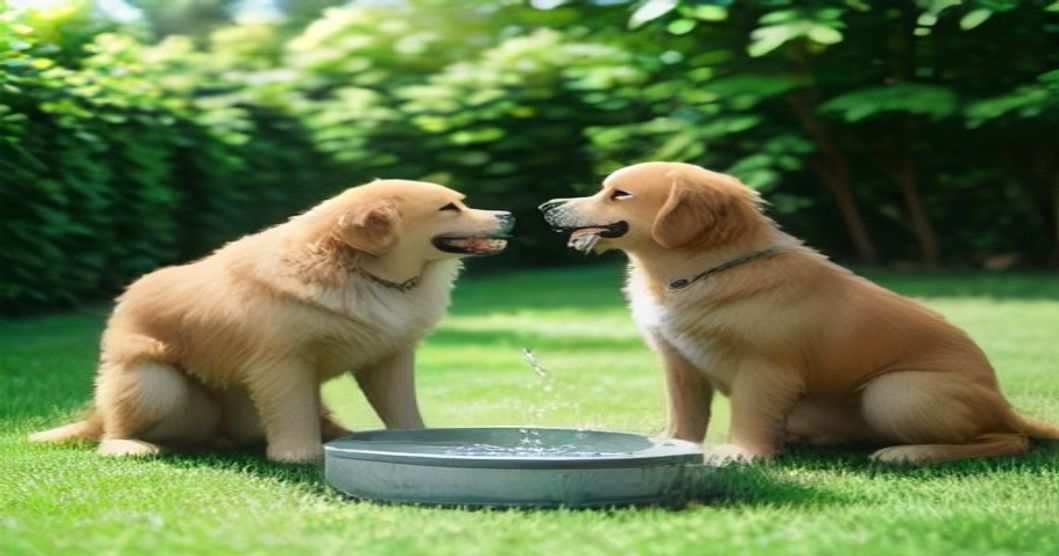
Understanding Canine and Feline Metabolism
As pet care experts and veterinarians, we often look at how lifestyle changes impact human health and draw parallels to animal wellness. Just like Lisa, a 48-year-old from Arizona who struggled with stubborn weight, fluctuating metabolism, and frustrating bloating, our pets can also experience sluggish metabolisms as they age. Maintaining a healthy weight is just as vital for dogs and cats as it is for humans.
The Importance of Hydration in Animal Health
Lisa’s journey started with a simple daily habit involving water, reminding us how crucial proper hydration is for biological functions. In veterinary medicine, adequate water intake is essential for maintaining kidney function, supporting digestion, and regulating core body temperature in pets. Dehydration can often mimic lethargy or a slow metabolism in older animals, leading to reduced activity levels and subsequent weight gain.
Translating Human Wellness Habits to Pet Care
While viral internet trends like the ‘ice water routine’ are tailored for humans, the underlying principle remains the same across species: consistency in foundational health habits yields the best long-term results. For pets, this means ensuring fresh, clean water is always available, maintaining a balanced, species-appropriate diet, and incorporating regular, age-appropriate physical activity.
Consulting Your Veterinarian
Before introducing any drastic routine changes to your own lifestyle or seeking quick fixes for weight management, it is important to consult a professional. The same rule applies to our furry companions. If your dog or cat is experiencing unexplained weight gain, bloating, or lethargy, a comprehensive veterinary examination is always the safest first step to rule out underlying health conditions and create a tailored wellness plan.