
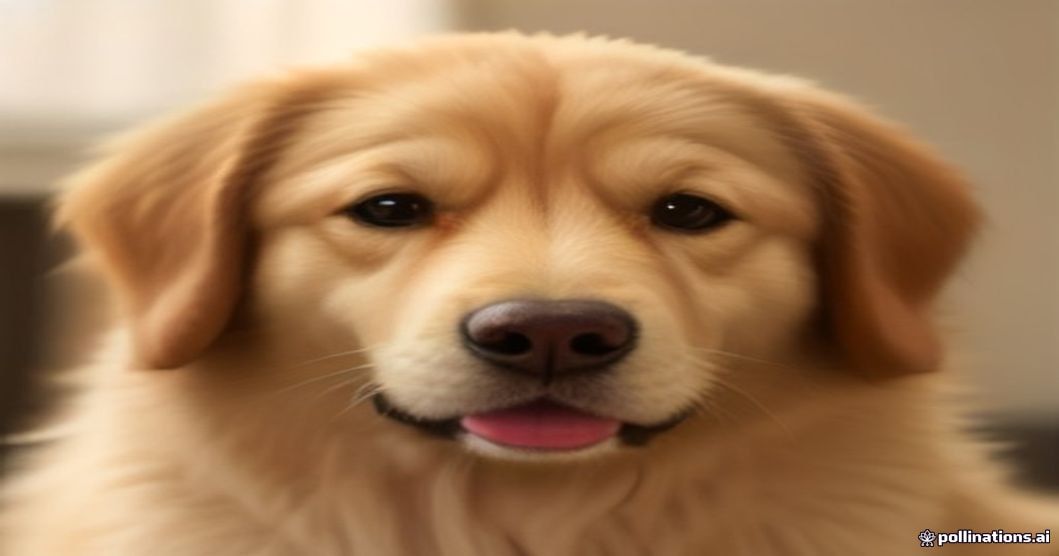
We have all experienced that peculiar, ticklish sensation where a sneeze feels imminent, only to vanish at the last second, leaving behind a lingering irritation. While humans can articulate this odd physiological quirk, our pets experience similar respiratory frustrations without the ability to tell us what is happening. In dogs and cats, the sensation of wanting to sneeze without being able to complete the reflex often manifests as repetitive snorting, sudden head jerking, nose licking, or the alarming phenomenon known as reverse sneezing.
The Anatomy of an Incomplete Sneeze
A sneeze is a coordinated, protective reflex designed to expel irritants, pathogens, and foreign particles from the upper respiratory tract. When sensory receptors within the sensitive mucosal lining of the nasal passages are stimulated, signals travel via the trigeminal nerve to the brain’s sneeze center in the medulla. In a complete sneeze, deep inspiration is followed by rapid compression of the lungs and an explosive exhalation through the nose and mouth. However, when the irritation is mild, localized in the nasopharynx, or blocked by partial obstructions, the sneeze reflex may stall mid-cycle, leaving your pet snorting, shaking their head, or pawing repeatedly at their muzzle.
Reverse Sneezing vs. The Stalled Sneeze
Pet owners frequently confuse an aborted sneeze with ‘reverse sneezing,’ scientifically termed paroxysmal respiration. While a standard sneeze forcefully blows air outward through the nasal cavity, a reverse sneeze involves rapid, forceful inhalations of air through the nose while the soft palate experiences temporary spasms. This causes a dramatic, loud snorting or honking sound that often terrifies owners who fear their dog is suffocating. In reality, reverse sneezing is typically harmless and serves as the body’s method of clearing an irritation located further back near the soft palate, whereas a true stalled sneeze is an attempt to dislodge irritants from the rostral nasal cavities.
Common Culprits Behind Nasal Irritation
When an animal repeatedly acts as though a sneeze is trapped, several factors could be irritating their upper airway. Environmental allergens—including pollen, dust mites, aerosol sprays, and scented candles—are frequent instigators of mild mucosal inflammation. In adventurous pets, particularly hunting and outdoor breeds, foreign bodies such as grass awns or foxtails can lodge directly inside a nostril, triggering a persistent, maddening tickle. Other potential causes include nasal mites, fungal infections like aspergillosis, dental root abscesses that breach the sinus floor, and viral infections such as feline herpesvirus or canine parainfluenza.
When That Unsatisfied Sneeze Signals an Emergency
While an occasional missed sneeze or brief bout of snorting is harmless, pet owners should watch for red flags that necessitate immediate veterinary attention. Unilateral symptoms—where irritation, rubbing, or discharge affects only one nostril—often point toward a lodged foreign body or structural lesion. If you observe epistaxis (nasal bleeding), thick green or yellow discharge, facial asymmetry, prolonged distress, or respiratory compromise with open-mouth breathing, consult your veterinarian right away for diagnostic imaging and rhinoscopy.
Helping Your Pet Find Relief
If your pet appears caught in a frustrating loop of near-sneezes or mild reverse sneezing, stay calm. Speaking in soothing tones and gently massaging their throat can help relax the pharyngeal muscles and induce swallowing, which resets the soft palate. Alternatively, briefly covering their nostrils can encourage them to swallow and clear minor nasopharyngeal irritations. Never insert cotton swabs or tools into your pet’s nostrils to dislodge suspected debris. If the sensation persists throughout the day, a veterinary evaluation can pinpoint the underlying cause and restore clear, comfortable breathing to your four-legged companion.