
Nestled in the harsh climate of the White Sea in northern Russia, the Solovetsky Monastery is not only a UNESCO World Heritage site of profound historical and spiritual significance, but it is also a fascinating sanctuary for resilient animal life. Surviving in sub-arctic conditions requires specialized adaptations, making the relationship between the local wildlife, domestic animals, and the inhabitants of the archipelago a unique subject of veterinary and ecological study.
The Harsh Arctic Environment and Animal Resilience
The geography of the Solovetsky Islands presents extreme challenges for any living creature. With long, freezing winters and short, unpredictable summers, animals inhabiting or brought to this region must possess remarkable physiological resilience. From insulating coats to specialized metabolic adaptations, local wildlife—including native foxes, seabirds, and marine mammals—thrives against the odds. Domestic animals historically brought to the monastery, such as hardy northern breeds of dogs, cats, and livestock, have likewise evolved traits that enable them to withstand profound cold and sparse seasonal resources.
Historical Animal Husbandry in Isolation
For centuries, the monks of Solovetsky Monastery practiced self-sufficiency, which included innovative agricultural and animal husbandry techniques. Managing livestock like cattle, horses, and poultry in an isolated island environment required meticulous care, shelter design, and nutritional planning. Historical records show that the monks paid careful attention to animal health, developing early veterinary protocols suited to the harsh northern climate to ensure their livestock survived the brutal winters and remained productive.
Modern Conservation and Pet Care Insights
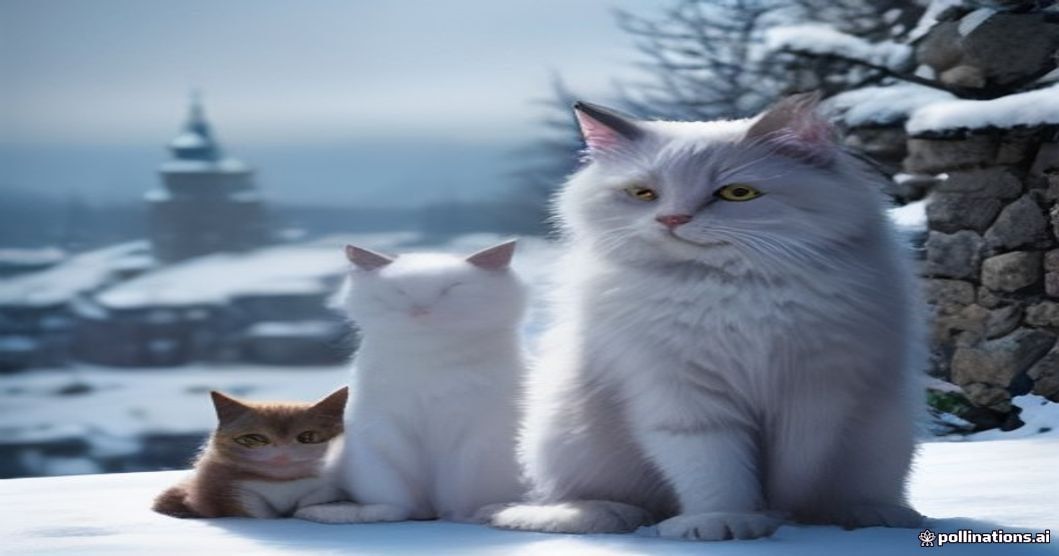
Today, the legacy of Solovetsky extends into modern discussions on animal welfare in extreme climates. Veterinarians and animal care experts often look to northern working and companion animals to understand the best practices for winter pet safety, joint health in cold weather, and high-energy nutritional requirements. The cats and dogs that now roam the monastery grounds serve as living examples of how domestic species adapt to rugged environments when provided with proper shelter and community care.
Conclusion: A Harmonious Blend of Nature and History
The Solovetsky Monastery stands as a monument to human perseverance and ecological harmony. By examining how animals have adapted to and been cared for in this remote northern sanctuary, we gain valuable insights into animal resilience, historical husbandry, and the enduring bond between humans and animals in even the most challenging corners of the earth.