
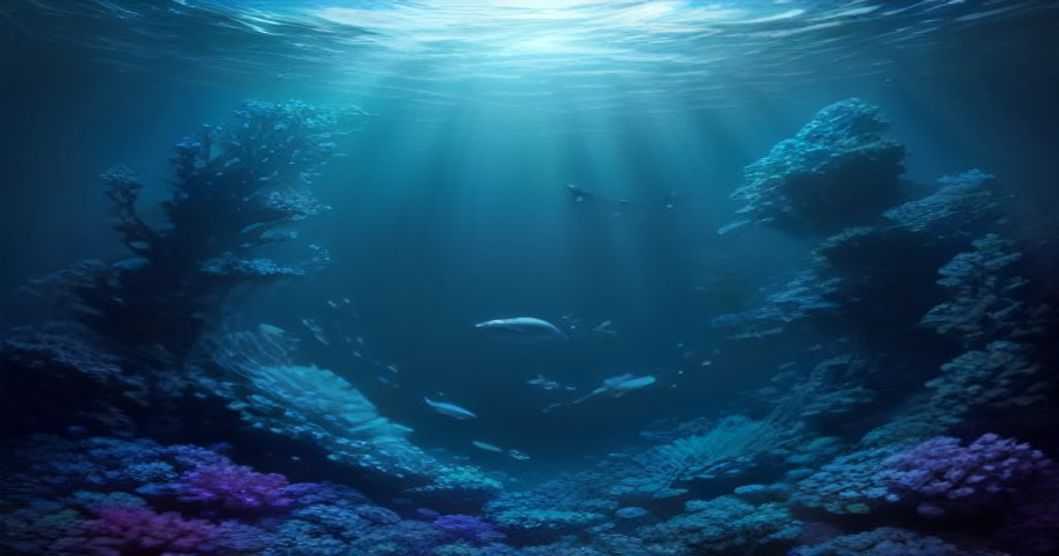
Introduction to the Nautilus
In the vast and mysterious realm of marine life, few creatures captivate the imagination quite like the nautilus. As a fascinating cephalopod mollusk, this ancient animal shares a distant evolutionary lineage with modern octopuses, squids, and cuttlefish. However, while its soft-bodied relatives lost their protective outer structures over millions of years of evolution, the nautilus took a distinct evolutionary path.
The Unique External Shell
What truly sets the nautilus apart from other cephalopods is its remarkable architecture: its shell is located entirely on the outside of its body. This stunning, mathematically precise spiral shell is not just for show; it serves as a sophisticated buoyancy control system. By pumping gas and water in and out of chambers within the shell, the nautilus can effortlessly navigate the ocean depths, adjusting its vertical position with incredible precision.
A True Living Fossil
With a lineage stretching back over 500 million years, the nautilus truly earns the title of a living fossil. These resilient creatures swam in the primordial oceans long before the first dinosaurs walked the Earth, surviving multiple mass extinction events that wiped out countless other species. Despite their incredible evolutionary endurance, today they face modern conservation challenges, with only six surviving species remaining in our tropical and subtropical waters. Preserving these magnificent ancient mariners is crucial for maintaining the rich biodiversity of our planet’s deep-sea ecosystems.