
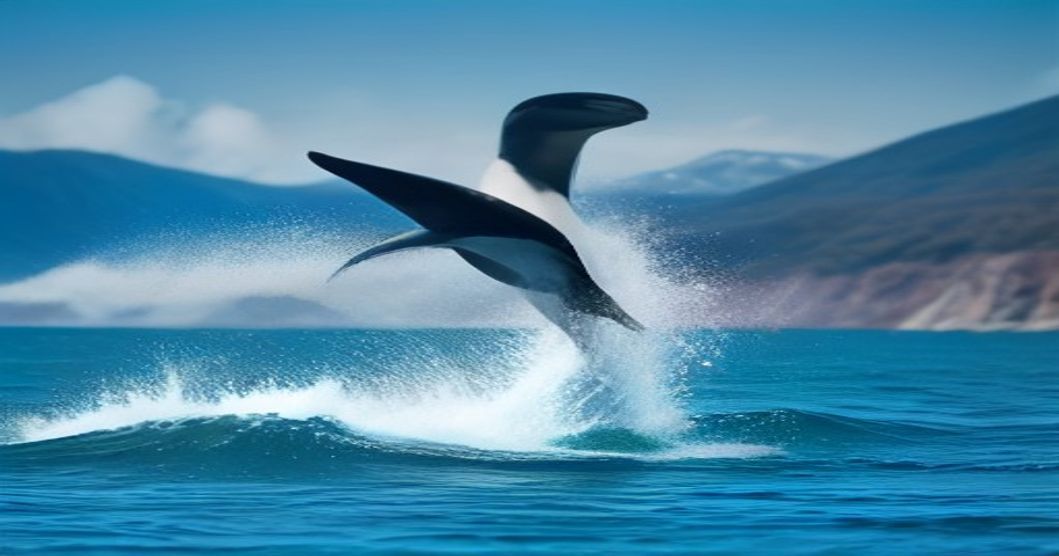
Introduction to Orcinus Orca: Apex Predators of the Ocean
As animal health and marine biology experts, we continuously marvel at the adaptability and intelligence of Orcinus orca. Commonly known as killer whales—though they are actually the largest members of the oceanic dolphin family—these magnificent cetaceans can reach staggering lengths of up to 10 meters and weigh between 4 and 9 tons. Their streamlined bodies and formidable power make them the ultimate apex predators of the sea.
The Daring Art of Intentional Beaching
Among their vast repertoire of predatory behaviors, one of the most breathtaking and high-risk strategies is intentional beaching. Observed near the remote Crozet Islands in the Indian Ocean and along the rugged coast of Patagonia, distinct orca populations have independently mastered the art of surging directly onto the shoreline. They do this to catch unsuspecting seal and sea lion pups resting on the sand or in extremely shallow surf.
Maternal Teaching and Intergenerational Learning
This complex hunting technique is not innate; it is a cultural tradition passed down through generations. Experienced mothers meticulously teach this high-stakes maneuver to their calves. Young orcas can frequently be observed practicing the slide onto the shore and back into the water together, sometimes even playing or perfecting the technique before actual prey is targeted. This highlights the profound cognitive capacity and social learning present within orca pods.
High Risk, High Reward
While this strategy yields vital nourishment, it comes with a tremendous hazard. The margin for error is razor-thin. If an orca miscalculates the tide or fails to use the momentum of the wave to pull itself back into the depths, it risks becoming permanently stranded on dry land—a perilous situation that can lead to fatal dehydration or overheating. Through a veterinary lens, observing these calculated risks offers profound insight into the behavioral adaptability, resilience, and sheer intellect of marine mammals.