
Introduction to Queen Carola’s Parotia
Deep within the lush, remote rainforests of New Guinea resides one of the avian world’s most dazzling performers: Parotia carolae, commonly known as Queen Carola’s parotia. As a veterinarian and avian enthusiast, I am continually fascinated by the incredible adaptations and behaviors found in nature. This remarkable bird-of-paradise is a prime example of evolutionary artistry, combining striking morphology with an elaborate courtship ritual that rivals any theatrical production.
Stunning Morphology and Sexual Dimorphism
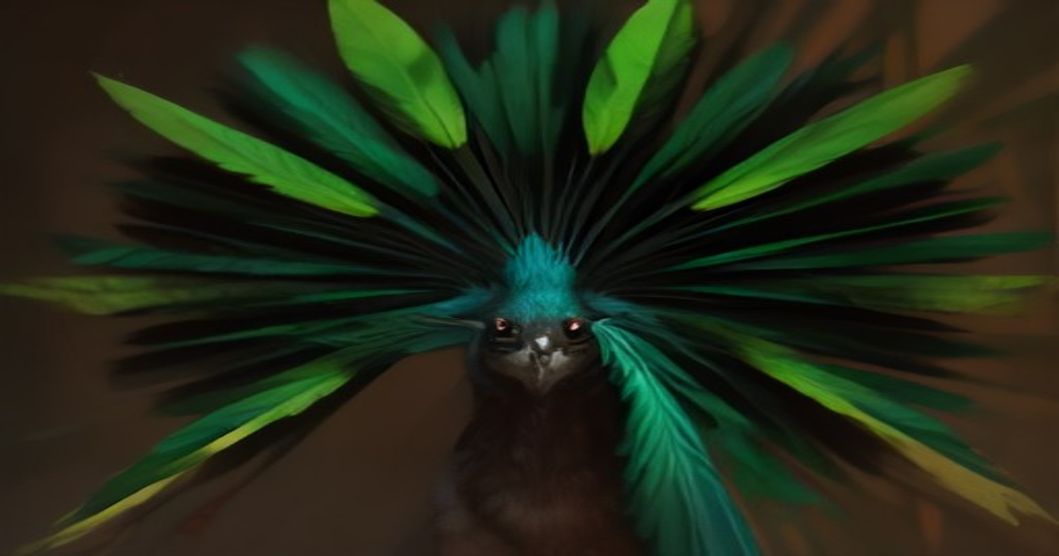
Like many species within the genus Parotia, Queen Carola’s parotia exhibits pronounced sexual dimorphism. The males boast deep, velvety dark plumage designed to absorb light and accentuate their vibrant ornamental features. Most notably, they possess six distinct, wire-like decorative feathers extending from their heads—earning them the well-deserved moniker of “six-wired bird-of-paradise.” During the breeding season, males display an extraordinary collar of fan-shaped feathers around their necks that remarkably resembles a traditional dancer’s skirt. Setting them apart from other parotia subspecies, Parotia carolae features striking white-edged feathers, a brilliant golden-and-white crest, golden sideburns, and luminous eyebrows, complemented by shimmering throat and chest plumage. In stark contrast, the females display a more cryptic, solid brown coloration with grayish tones on their bellies, providing essential camouflage during nesting.
The Spectacular Courtship Dance
What truly captivates naturalists and bird lovers alike is the male’s elaborate courtship performance. To attract a mate, the male meticulously clears a dedicated arena on the forest floor, removing debris like twigs and dry leaves that might disrupt his performance—a testament to his perfectionism and high-energy motivation. Once his stage is set, he transforms into a feathered ballerina, expanding his neck ruff, bobbing, bowing, and executing intricate dance steps designed to showcase his iridescent colors and ornamental headwires. This mesmerizing display highlights the complexity of avian behavioral ecology, where presentation is just as crucial as genetics.
Conservation and Habitat
Endemic to the islands of West New Guinea and Papua New Guinea (within Indonesia), these birds rely heavily on undisturbed primary rainforest habitats. As wildlife health professionals, understanding and protecting these delicate ecosystems is paramount. Habitat preservation ensures that unique species like Queen Carola’s parotia can continue to thrive and perform their breathtaking rituals for generations to come, reminding us of the rich biodiversity our planet sustains.