
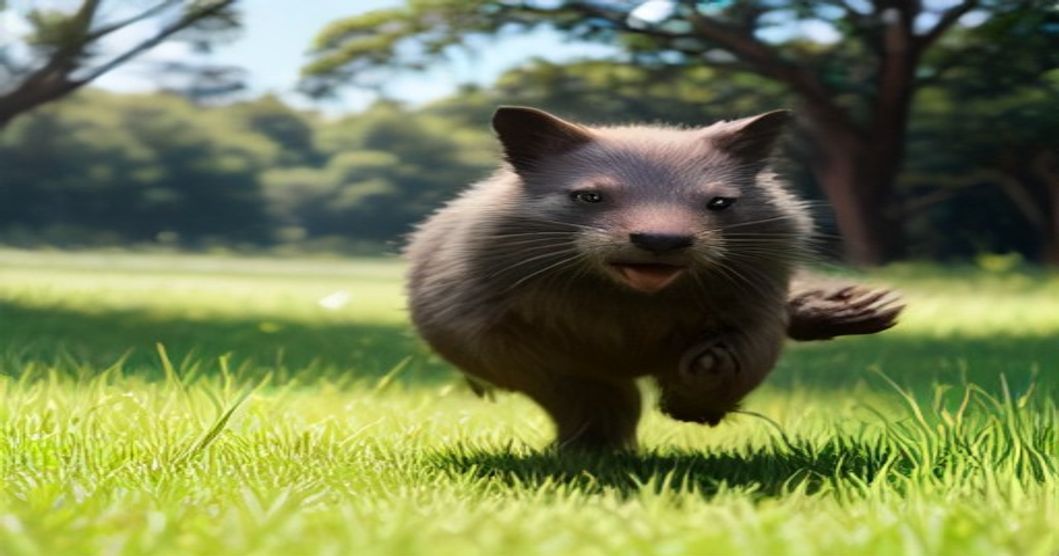
Wombats are widely celebrated for their barrel-like bodies, underground engineering prowess, and remarkably stoic demeanor. However, behind their seemingly slow-paced lifestyle lies an energetic, highly spirited creature that engages in complex and fascinating play behaviors. For wildlife veterinarians, rehabilitators, and ethologists, observing play in wombats provides vital insights into their physical health, neurological development, and psychological well-being.
The Anatomy of Wombat Play
Play behavior is most prominent in young wombats, particularly orphaned joeys in rehabilitation settings and juveniles in the wild. Unlike adult territorial skirmishes, play in wombats is non-aggressive and characterized by exaggerated, bouncy movements. Common play gestures include high-speed dashes—often termed ‘zoomies’—sudden sharp pivots, sideways head-shaking, and playful somersaults. Joeys frequently engage in mock charges followed by abrupt stops, inviting conspecifics or human caregivers into interactive play sessions.
Physiological and Developmental Benefits
From a veterinary perspective, play serves several critical physiological functions. First, it aids in the rapid development of motor skills, spatial awareness, and muscular strength, all of which are essential for an animal that will spend adulthood excavating extensive burrow networks. The dynamic twisting and sprinting movements strengthen the wombat’s dense skeletal framework and condition its cardiovascular system. Furthermore, playful interaction stimulates cognitive development, enabling young wombats to practice defensive maneuvers and boundary-testing in a safe context.
Play as a Clinical Indicator of Health
In wildlife rescue and captive management, spontaneous play is one of the most reliable indicators of robust welfare. Sick, malnourished, or chronically stressed wombats rarely engage in playful antics. When a juvenile wombat initiates play, it signals adequate caloric reserves, low cortisol levels, and an absence of pain or debilitating parasitical loads, such as sarcoptic mange. Monitoring the frequency, intensity, and symmetry of a wombat’s play movements allows clinicians to evaluate joint health, neurological integrity, and overall vitality during rehabilitation.
Ethical Interaction and Enrichment
While a playful wombat can be immensely endearing, it is essential to manage play interactions ethically, especially for animals destined for release back into the wild. Rehabilitators utilize environmental enrichment—such as hollow logs, mounds of dirt, and safe tunneling structures—to encourage natural, self-directed play without fostering dependency on human handlers. Supporting natural play behaviors ensures that young wombats mature into capable, resilient adults ready to navigate the challenges of the Australian bush.