
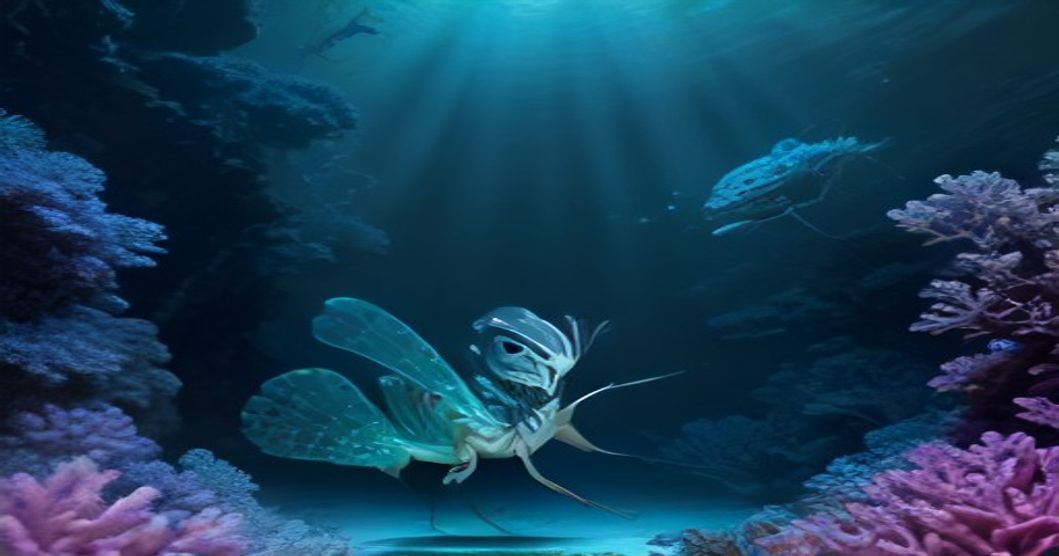
Introduction to Crustacean Vision
In the vast and fascinating realm of marine biology, few creatures boast sensory systems as extraordinary as the mantis shrimp. While humans rely on three types of color receptors, these remarkable crustaceans possess a visual apparatus that seems straight out of science fiction. As a veterinarian and animal health expert, exploring the unique adaptations of exotic species continually reminds me of nature’s boundless ingenuity.
The Mechanics of Independent Eye Movement
One of the most striking features of the mantis shrimp is its ability to move its eyes completely independently of one another. Mounted on mobile stalks, each eye can rotate nearly 360 degrees. This grants the creature a panoramic view of its underwater habitat, allowing it to scan for predators and prey simultaneously without ever needing to turn its head. To keep this complex optical system functioning at its peak, mantis shrimp regularly groom their eyes, gently wiping them with their front legs to clear away sand, silt, and microscopic debris.
Complexity Unmatched in the Animal Kingdom
The true marvel, however, lies within the eye structure itself. Mantis shrimp eyes contain up to 16 different types of photoreceptor cells, enabling them to perceive ultraviolet, infrared, and polarized light. This intricate biological design results in one of the most complex visual systems in the entire animal kingdom, offering us a profound glimpse into how different species perceive and interact with the world around them.