
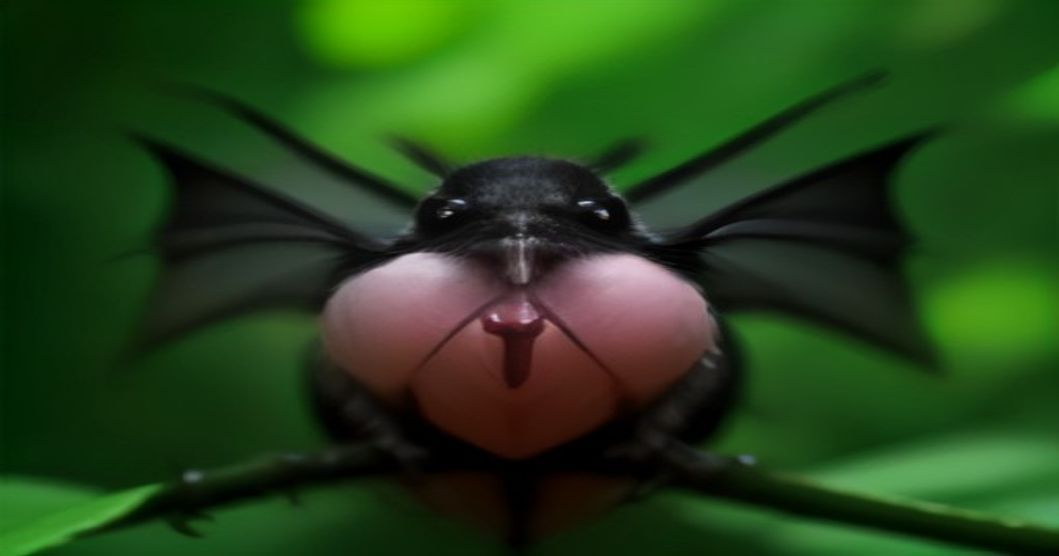
Unveiling the Nectar Bat: A Marvel of Mammalian Evolution
In the fascinating world of chiropters, few species capture the imagination quite like the tube-nosed bat (Anoura fistulata). Renowned among wildlife biologists and pet care experts alike for their unique physiological adaptations, these remarkable creatures showcase the endless wonders of evolutionary biology.
An Astonishing Anatomical Record
The standout feature of the nectar bat is undoubtedly its extraordinary tongue. Measuring a staggering 8.5 centimeters in length, it is roughly 1.5 times the length of the bat’s entire body! This biological marvel sets a distinct record among all mammals, placing them second only to chameleons in the entire vertebrate kingdom. This specialized tongue allows the bat to reach deep into the specialized, elongated corolla of the Centropogon nigrican flower to feed on nutrient-rich nectar.
Ecological Importance and Pollination
Beyond their anatomical curiosities, nectar bats play an absolutely vital role in their natural ecosystems. As they travel from blossom to blossom in search of food, they act as crucial pollinators. By facilitating plant reproduction, these bats help maintain the rich biodiversity of their forest habitats, proving that even the smallest mammals can have a massive impact on planetary health.