
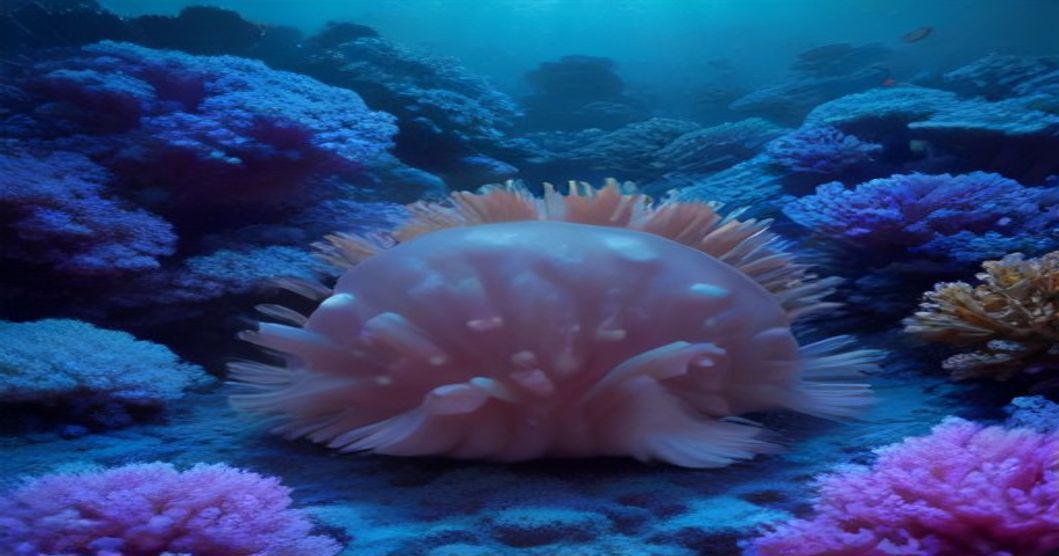
Discovering the Wonders of the Coral Reef
Coral reefs are bustling metropolises of marine life, housing some of the most fascinating and interdependent species on the planet. Among these underwater marvels is a captivating relationship between a vibrant sea slug known as the Tambja morosa and its tiny, adventurous passenger, the Imperial Shrimp (Zenopontonia rex).
The Brilliant Tambja Morosa
The Tambja morosa is a stunning species of nudibranch—a group of soft-bodied, marine gastropod molluscs famous for their striking colors and intricate patterns. As a specialized predator and grazer, this bright sea slug navigates the reef in search of its preferred diet: moss-like bryozoan colonies. Its vivid coloration serves as a brilliant warning to potential predators, a classic evolutionary defense mechanism in the marine world.
The Ultimate Hitchhiker: The Imperial Shrimp
What makes encounters with the Tambja morosa even more remarkable is its frequent companion, the Imperial Shrimp. This tiny crustacean often hitches a ride on the back of the sea slug, transforming the slow-moving nudibranch into a personal mobile home and luxury transportation system. In exchange for the free ride, the shrimp gets to traverse expansive reef territories it might otherwise struggle to reach, effortlessly discovering rich new feeding grounds alongside its host.
Why Marine Biodiversity Matters
Relationships like the one shared between the Tambja morosa and the Imperial Shrimp highlight the delicate and complex web of symbioses that sustain coral reef ecosystems. As animal health and veterinary professionals who advocate for all creatures great and small, understanding these aquatic habitats reminds us of the importance of marine conservation. Protecting our oceans ensures that these tiny, wondrous travelers can continue their remarkable journeys beneath the waves for generations to come.