
Introduction to the Deep
In the vast, mysterious realms of the deep ocean dwell creatures that defy our everyday understanding of marine life. Among the most fascinating yet elusive inhabitants is the Black Scabbardfish, scientifically known as Aphanopus carbo. This remarkable deep-sea dweller, which notably lacks a traditional Russian common name, captures the imagination of marine biologists and ocean enthusiasts alike with its striking appearance and unique behaviors.
Striking Anatomy and Key Features
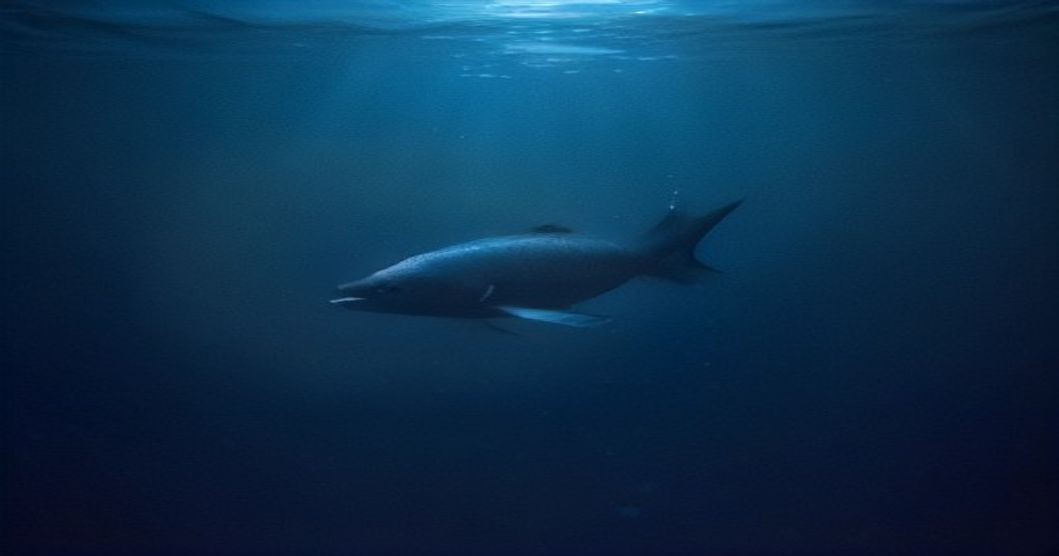
Belonging to the sabertooth fish family, the Black Scabbardfish boasts a mesmerizing steel-blue or shimmering silver coloration that helps it blend into the perpetual twilight of its deep-sea home. Its physical adaptations are truly specialized for survival in extreme pressures: it features a long, slender body designed for stealthy movement, along with reduced or completely absent pelvic and tail fins. Perhaps its most formidable feature is its large, fang-like teeth, which make it an efficient predator in the dark abyss.
Behavior and Rare Sightings
Studying creatures that live over a thousand meters beneath the surface is an immense challenge for researchers. However, recent observations in Irish waters at a staggering depth of 1,200 meters have provided rare glimpses into their lives. Scientists have documented curious behavior, noting how these fish slowly and rhythmically sway just above the sea floor, seemingly suspended in the heavy, cold water.
Habitat and Conservation Concerns
The natural habitat of the Black Scabbardfish typically ranges from 800 to 1,300 meters deep. In these remote waters, they are often caught alongside other deep-sea species during commercial fishing operations. Because of their slow growth rates and specific habitat requirements, this accidental and targeted bycatch makes them increasingly vulnerable to overfishing, highlighting the urgent need for sustainable deep-sea management and continued marine conservation efforts.