
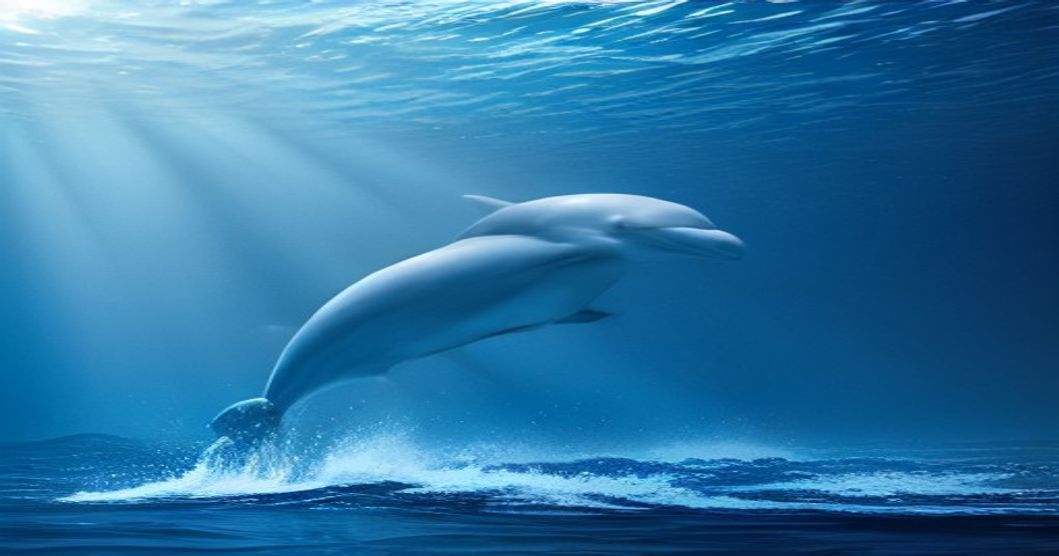
Introduction to the Gray Dolphin
When most people picture dolphins, the iconic bottlenose dolphin with its charismatic smile immediately comes to mind. However, the aquatic world is home to a diverse array of cetaceans often referred to broadly as the “gray dolphin.” While not a single specific species, this descriptor usually encompasses several magnificent marine mammals, most notably the Risso’s dolphin (Grampus griseus) and certain river dolphin species like the boto or tucuxi in their more subdued color phases. Understanding these remarkable creatures is essential for marine conservation and appreciating the biodiversity of our oceans and rivers.
Physical Characteristics and Unique Markings
The term “gray dolphin” is most frequently associated with the Risso’s dolphin, renowned for its distinctive appearance. Calves are born a dark gray or even brownish color, but as they mature and interact with their pod members and prey (such as squid), they develop a vast network of white scars and scratches. This unique scarring, known as strigilation, covers their bodies so extensively that older adults often appear completely white or silver from a distance. They possess a robust, blunt head with a vertical crease down the center and lack a well-defined beak, setting them apart from other dolphin species.
Habitat, Distribution, and Behavior
Gray dolphins, particularly Risso’s dolphins, have a cosmopolitan distribution, inhabiting deep, temperate, and tropical waters worldwide. They are typically found along the continental slope and in offshore oceanic waters rather than close to the shore. Highly social animals, they usually travel in pods ranging from a few individuals to several hundred. As a veterinarian and marine mammal expert, observing their behavior reveals them to be active swimmers and skilled acrobats, frequently breaching, tail-slapping, and spy-hopping. They are also known to form strong social bonds and occasionally hybridize or associate with other cetacean species.
Health, Veterinary Care, and Conservation Status
Studying and protecting marine mammals requires a specialized veterinary approach. Gray dolphins face numerous anthropogenic threats, including entanglement in fishing gear (bycatch), ocean noise pollution, and habitat degradation. Climate change also impacts their primary food sources, particularly deep-water cephalopods. Conservation efforts focus on establishing marine protected areas, regulating sustainable fisheries, and conducting rescue and rehabilitation operations for stranded individuals. Safeguarding these intelligent and sensitive animals ensures the ecological balance of the marine environments they call home.