
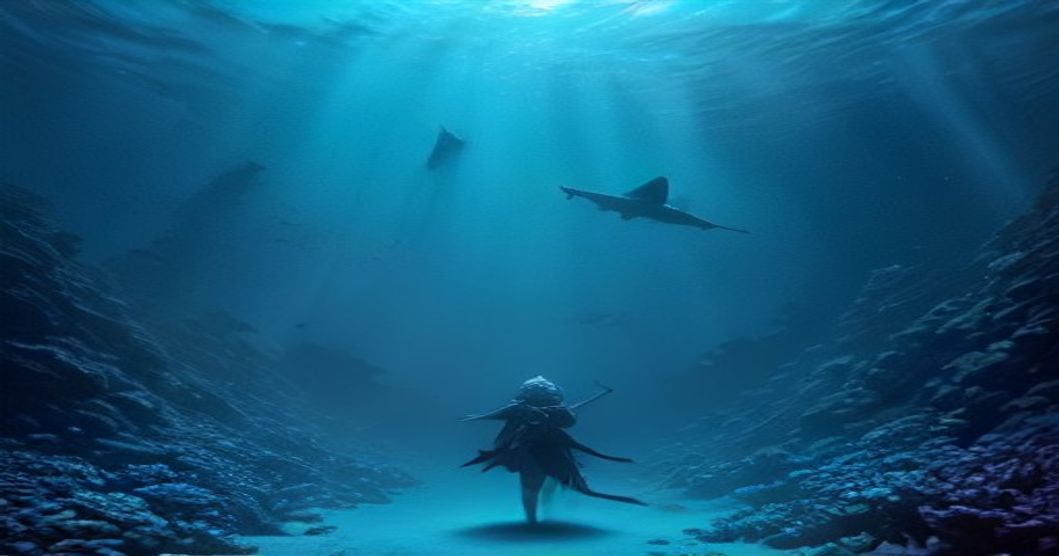
Discovering the Epaulette Shark
Marine biology never ceases to amaze, and one of its most fascinating inhabitants is the Epaulette Shark (Hemiscyllium ocellatum). Belonging to the longtailed catshark family, this unique species typically reaches lengths of up to one meter. Native to the warm, tropical waters of the Pacific Ocean, they are predominantly found ranging from the coast of New Guinea down to Australia, thriving in shallow coral reefs and tidal pools.
Masters of Terrestrial Locomotion
What truly sets the epaulette shark apart from other marine creatures is its extraordinary method of movement. Instead of merely swimming, these remarkable animals actually ‘walk’ across the ocean floor. Using their highly specialized pectoral and pelvic fins, they maneuver gracefully over coral and sand, a trait that helps them navigate complex reef structures in search of food like crabs, worms, and small fish.
Surviving Out of Water
Perhaps the most astonishing survival adaptation of the epaulette shark is its incredible ability to endure low-oxygen environments. When trapped in isolated tide pools during low tide, these sharks can survive completely out of water for extended periods—sometimes up to several hours. They achieve this by shutting down non-essential brain functions and redirecting oxygen-rich blood exclusively to their heart and brain, showcasing a level of resilience that continues to captivate veterinarians, marine biologists, and animal health experts alike.