
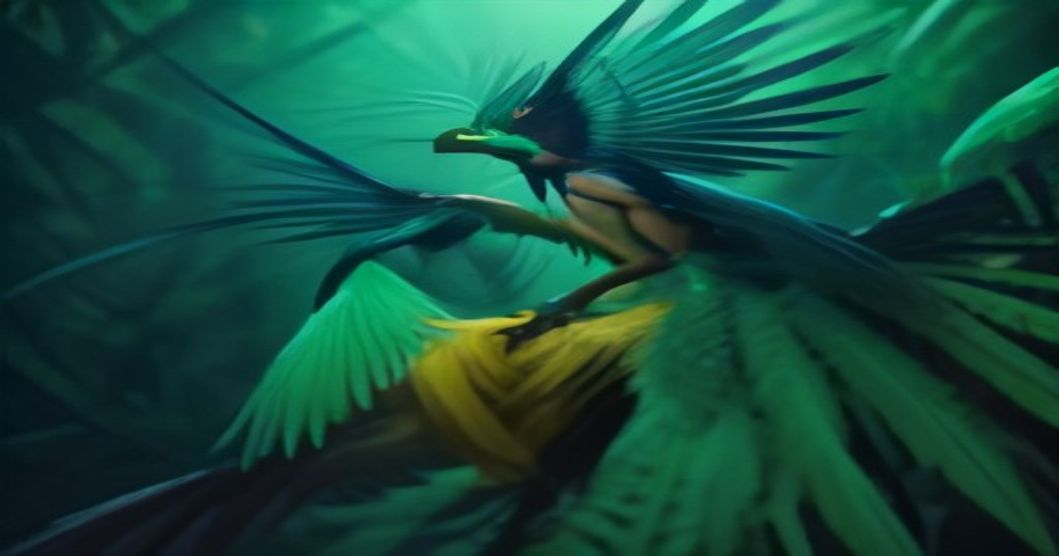
Nature’s Most Elaborate Performance
In the lush, remote rainforests of New Guinea and surrounding islands, one of the most breathtaking spectacles in the animal kingdom unfolds daily. The bird-of-paradise is renowned not only for its stunning, iridescent plumage but also for a courtship ritual so intricate and demanding that it rivals the finest human theatrical productions. As avian veterinarians and wildlife behaviorists study these magnificent creatures, the sheer complexity of their mating displays continues to captivate scientists and bird enthusiasts alike.
The Anatomy of a Display
To secure a mate, male birds-of-paradise undergo a rigorous physical and vocal transformation. Their vibrant feathers—featuring electric blues, deep velvety blacks, and shimmering yellows—are not merely decorative; they are precision-engineered props used during the dance. The performance involves a meticulously choreographed sequence of movements, including dramatic leaps, head-to-toe inversions, and rhythmic shuddering. Coupled with a diverse repertoire of clicks, buzzes, and melodic calls, these displays require immense stamina and physical fitness, serving as a direct indicator of the male’s overall health and genetic vitality.
Lessons from the Avian World
While most of us will never care for a bird-of-paradise in a domestic setting, understanding their natural behaviors offers profound insights into avian psychology and physiology. The dedication these birds show to their physical conditioning and display routines highlights the innate drive for health and vitality found across the animal kingdom. Whether observing exotic species in the wild or caring for companion birds at home, recognizing the fascinating complexities of avian life deepens our appreciation for our feathered friends and underscores the importance of preserving their natural habitats.