
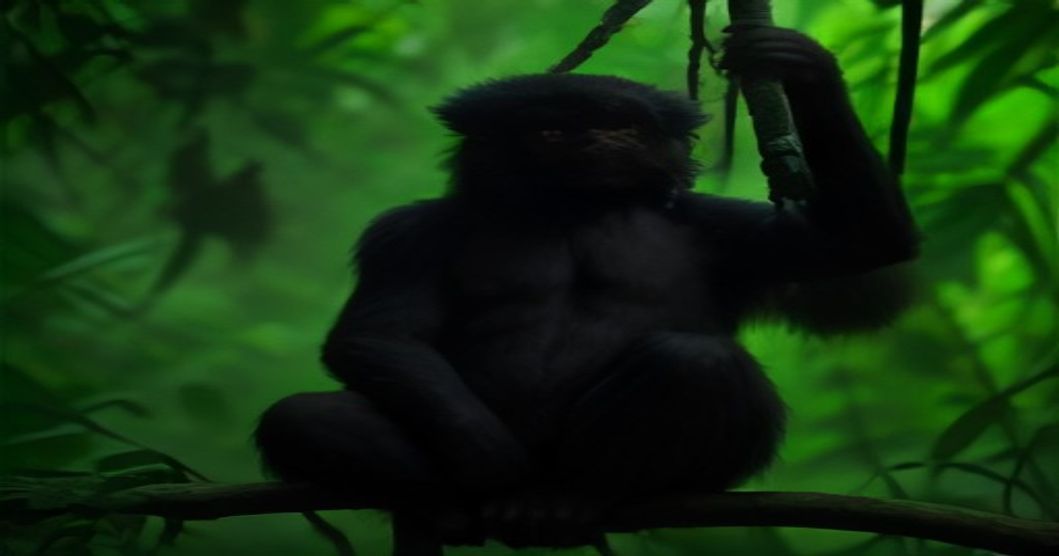
Introduction to the Siamang
As a veterinarian and wildlife enthusiast, I am always fascinated by the incredible adaptations found in the animal kingdom. The siamang (Symphalangus syndactylus) holds a special place in this wonder as the largest and heaviest of all gibbon species. Standing proudly at a height of 75 to 90 cm and tipping the scales between 8 and 13 kg, these remarkable primates command attention not just for their size, but for their unique physical and behavioral traits.
Anatomical Marvels and Vocal Prowess
One of the most striking physiological features of the siamang is its remarkable throat sac. Functioning as a powerful biological resonator, this expandable pouch allows the siamang to produce booming, complex songs that can travel an astonishing 3 to 4 kilometers through the dense forest canopy. These vocalizations play a vital role in long-distance communication, reinforcing social bonds and advertising territorial boundaries to neighboring groups.
Habitat, Locomotion, and Swimming Skills
Native to the lush tropical rainforests of the southern Malay Peninsula and the island of Sumatra, siamangs lead a strictly arboreal and diurnal lifestyle. Their exceptionally long arms enable them to brachiate—swinging acrobatically from branch to branch with breathtaking agility. Interestingly, unlike most other gibbons, siamangs are surprisingly proficient swimmers, a unique behavioral adaptation that sets them apart within the lesser ape family.
Social Structure and Diet
Siamangs are renowned for their strong monogamous pair bonds, living in tightly knit family units. Each pair fiercely defends a well-established home territory against intruders. From a nutritional standpoint, their diet is primarily folivorous and frugivorous, consisting mainly of leaves and nutrient-rich tropical fruits. However, as opportunistic eaters, they will occasionally supplement their diet with bird eggs and small vertebrates, ensuring a varied nutrient intake essential for their health and vitality.