
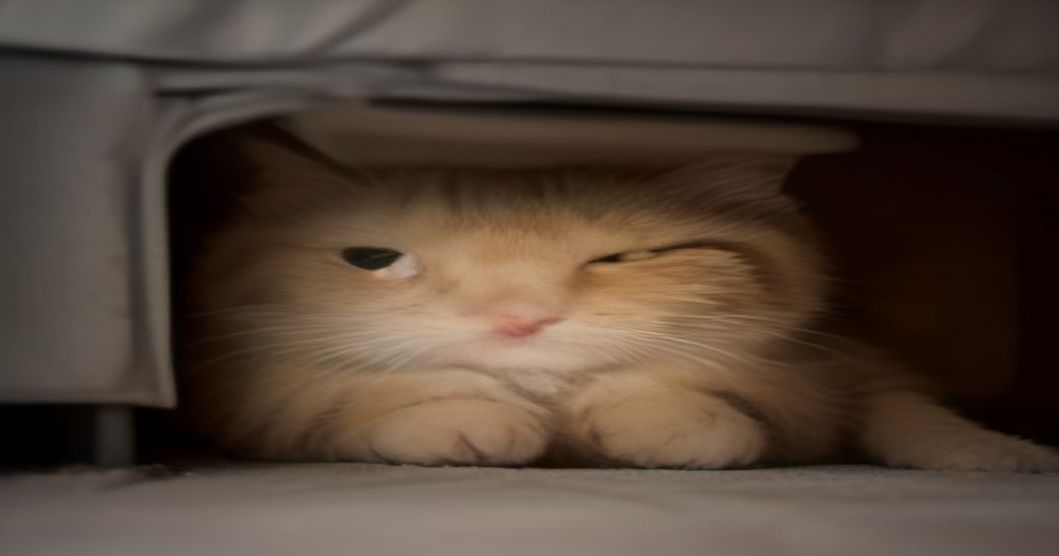
Introduction to Feline Anxiety
Cats are often perceived as independent, unflappable creatures capable of handling whatever the world throws their way. However, beneath their calm exterior lies a sensitive nervous system that can easily be overwhelmed. What humans might consider a minor inconvenience can quickly transform into a genuine cat’s nightmare.
The Root Causes of Feline Distress
To understand what terrifies a cat, we must look through their eyes. Sudden environmental changes, such as moving to a new home, rearranging furniture, or introducing a new pet, can trigger severe anxiety. Additionally, loud noises like thunderstorms or fireworks, forced social interactions, and disruptions in their daily routine represent significant stressors for our feline companions.
Recognizing the Signs of Suffering
As pet care experts, veterinarians know that cats rarely express fear through vocalization alone. Instead, they exhibit subtle behavioral changes. Hiding for extended periods, excessive grooming leading to bald patches, sudden litter box avoidance, and aggressive outbursts are all red flags indicating that a cat is living in a state of distress.
Medical Implications of Chronic Stress
A prolonged cat’s nightmare is not just a psychological burden; it takes a severe physical toll. Chronic stress suppresses the immune system, making cats susceptible to infections. It is also a primary trigger for debilitating conditions such as feline idiopathic cystitis (FIC) and gastrointestinal disorders.
Creating a Safe Haven
Mitigating these nightmares requires proactive intervention. Providing vertical spaces for climbing, predictable feeding schedules, quiet retreats, and the use of feline pheromone diffusers can dramatically improve a cat’s mental well-being. By understanding their unique needs, we can ensure our feline friends feel secure, cherished, and safe from their worst fears.