
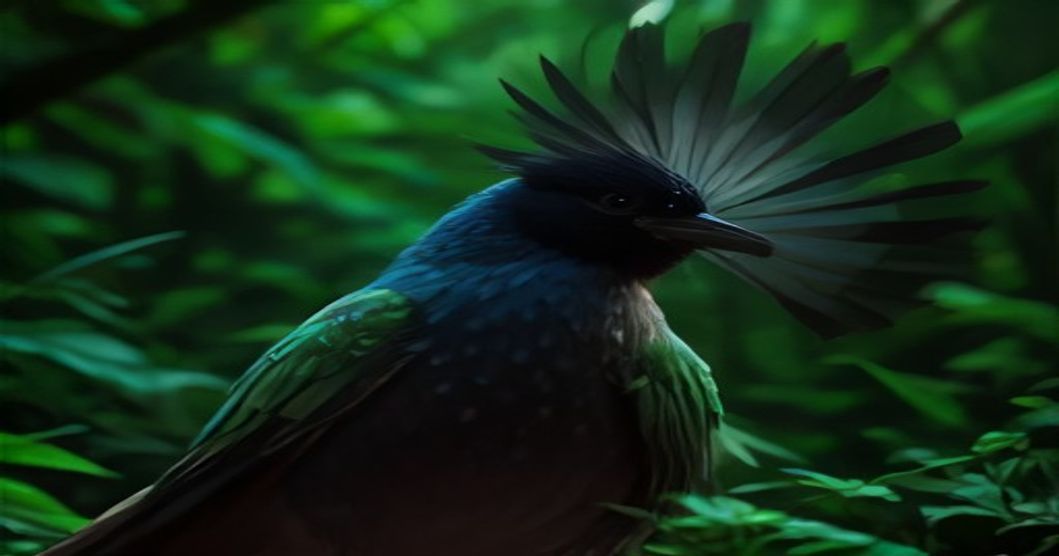
Introduction to Queen Carola’s Parotia
Deep within the lush, remote forests of New Guinea resides one of the avian world’s most mesmerizing performers: Parotia carolae, commonly known as Queen Carola’s parotia. Endemic to the islands of West New Guinea and Papua New Guinea, this remarkable species is celebrated for the male’s elaborate and theatrical courtship ritual designed to captivate prospective mates.
Stunning Sexual Dimorphism
Like many species within the genus Parotia, Queen Carola’s parotia exhibits striking sexual dimorphism. The males boast deep, dark plumage accented by six distinct, wire-like decorative feathers extending from their heads—earning them the moniker ‘six-wired bird-of-paradise.’ During the breeding season, they display a specialized collar of fan-shaped feathers around their necks that remarkably resembles a traditional dancer’s skirt. What sets Parotia carolae apart from its subspecies are its unique white-edged feathers, a brilliant golden-and-white crest, golden sideburns, vibrant eyebrows, and throat and chest feathers that shimmer iridescently in the filtered forest light. In stark contrast, females feature a modest, completely brown plumage with grayish tones restricted to their bellies for optimal camouflage during nesting.
The Theatrical Mating Dance
The male’s commitment to winning a female is nothing short of professional performance art. He meticulously clears a stage on the forest floor, removing any debris—such as a disruptive dry leaf—that might mar his routine. His ensuing dance is a complex, energetic ballet featuring synchronized movements of his skirt-like collar and head wires. For wildlife enthusiasts and avian behaviorists alike, observing this intricate ritual until its finale offers a profound appreciation for the diverse and wondrous behavioral adaptations found in the animal kingdom.