
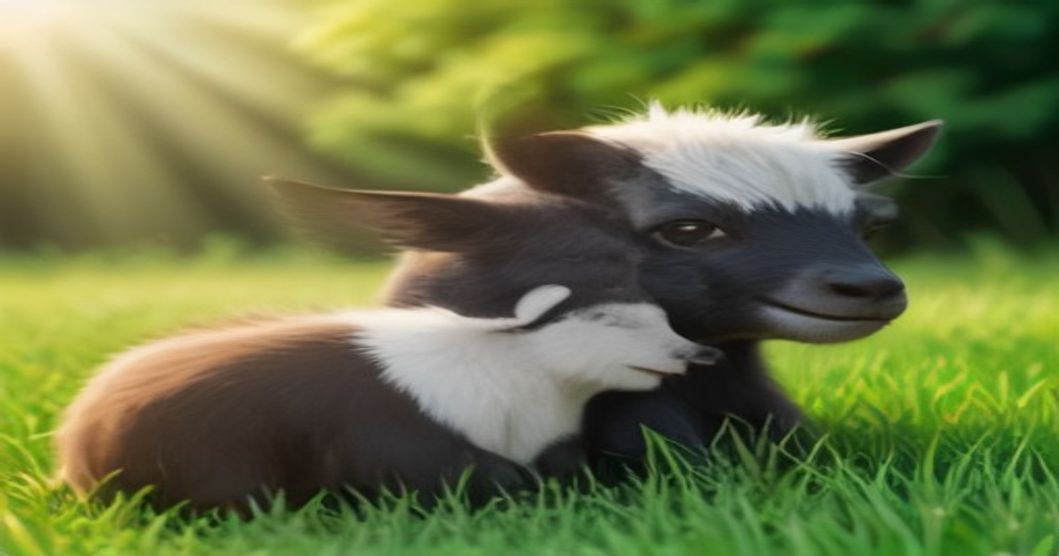
Beyond the Barnyard: Understanding Goat Intelligence and Emotion
For centuries, goats (Capra hircus) have been predominantly viewed through the lens of livestock production—valued for milk, fiber, and vegetation management. However, recent behavioral ethology and cognitive research have unveiled a much richer emotional life in these curious ungulates. Far from being simple, detached ruminants, goats possess sophisticated social cognitive abilities that allow them to form profound, affectionate attachments to their human caregivers, rivaling the companion bonds traditionally associated with dogs and cats.
Scientific Evidence: The Interspecies Gaze and Social Cognition
Groundbreaking research conducted at institutions such as Queen Mary University of London has demonstrated that goats communicate with humans in ways remarkably similar to domesticated canines. When presented with an unsolvable problem—such as a sealed container with food inside—goats do not simply persist in frustration. Instead, they alternate their gaze between the inaccessible treat and a nearby human, effectively ‘asking’ for assistance.
This referential and intentional communication indicates that goats perceive humans not just as food dispensers, but as social partners capable of collaboration. Furthermore, neurological and behavioral studies reveal that goats can distinguish between happy and angry human facial expressions, actively preferring to approach smiling, open faces.
Signs of Human-Goat Attachment
Recognizing attachment in goats requires an understanding of caprine body language. When a goat develops a strong emotional bond with its handler, it often displays distinct behaviors:
Physical Proximity and Following: Bonded goats will shadow their humans around pastures, actively seeking physical contact through gentle nudging, leaning, or resting their heads against their handlers.
Vocal Recognition: Goats possess individual vocal signatures and learn the distinct voices of their primary caregivers. They frequently use low, soft bleats (a greeting rumble) when their favored person approaches.
Relaxation and Oxytocin Release: Similar to companion pets, goats experience a physiological calming effect in the presence of familiar humans, marked by relaxed ear postures, steady chewing (cudding), and lowered heart rates during gentle petting and scratching sessions.
Building a Strong, Healthy Bond with Your Goat
Fostering a reciprocal bond with a goat requires patience, consistency, and positive reinforcement. Early socialization plays a significant role; bottle-fed kids frequently imprint on humans, though even adult rescues can develop deep trust over time.
Key steps to building this connection include:
Positive Reinforcement: Use healthy treats like apple slices, carrots, or safe browse combined with verbal praise and gentle scratching behind the horns, on the chest, and along the withers, which mimic natural herd grooming behaviors.
Predictable Routines: Goats thrive on predictability. Consistent feeding times, regular handling, and a calm demeanor help establish a foundation of safety and trust.
Respecting Boundaries: Learn to read signs of stress or overstimulation, such as raised hair along the spine, stamping feet, or aggressive head-butting, and redirect these behaviors with constructive training.
The Herd Dynamic: A Critical Health Consideration
While goats can become deeply attached to humans, it is vital from a veterinary and welfare perspective to remember that they are obligate herd animals. Human interaction should enrich their lives, but it cannot completely replace the social and psychological necessity of caprine companionship. To prevent separation anxiety, depression, and destructive stereotypic behaviors, goats should always be housed with at least one other compatible goat or herd companion.
When their social and physiological needs are met, goats offer remarkable companionship, proving that genuine interspecies love and devotion extend well beyond the traditional family dog or cat.