
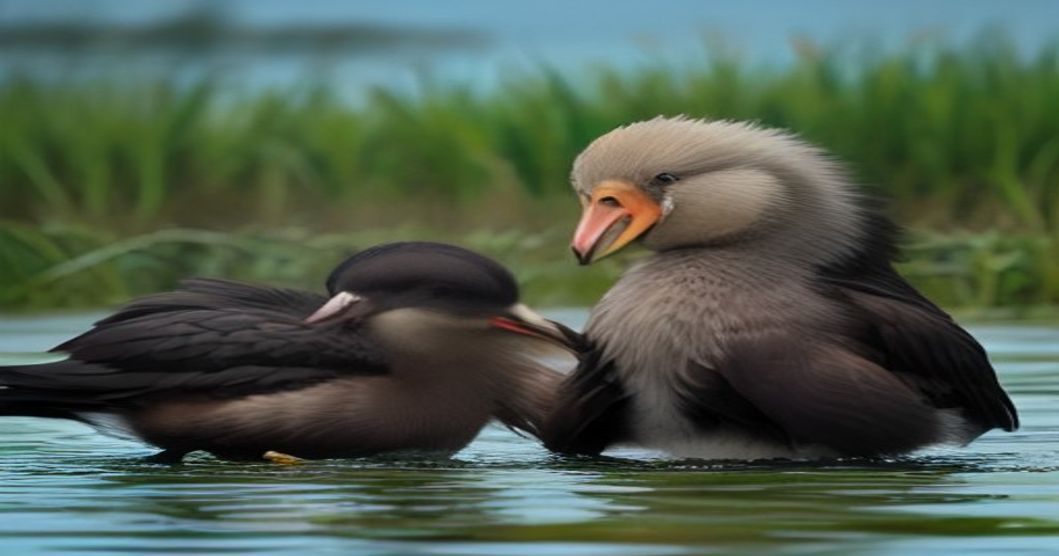
Introduction to the Black-Bellied Whistling-Duck
The Black-bellied Whistling-Duck (Dendrocygna autumnalis), often historically grouped or confused with the fulvous whistling-duck, is a fascinating medium-sized waterfowl native to the lush tropical and subtropical regions of the Americas. Known for their striking appearance—featuring vibrant reddish-orange bills, long pinkish legs, and a rich chestnut plumage—these birds capture the attention of ornithologists and birdwatchers alike. Unlike many typical ducks that prefer dabbling in secluded marshes, whistling-ducks exhibit unique avian behaviors that bridge the gap between typical waterfowl and perching birds.
The Critical First Days: Nesting and Early Development
As expert avian veterinarians and wildlife specialists observe, the early life stages of these waterfowl are both perilous and mesmerizing. Ducklings typically leave their elevated tree cavity nests just one to two days after hatching, making a daring leap to the forest floor or water below. In one remarkable wildlife encounter, parents patiently waited at the edge of a pond for their newly hatched brood to take the plunge, only for a young alligator to approach the vulnerable family. Demonstrating extraordinary parental devotion and quick-thinking predator distraction techniques, the mother feigned a broken wing, skillfully luring the apex predator away from her vulnerable offspring.
Unique Behavioral Traits and Vocalizations
From an ethological perspective, the Black-bellied Whistling-Duck stands out for several distinct characteristics. True to their name, these birds are renowned for their high-pitched, distinctive whistling calls, which echo across wetlands most frequently at dusk and dawn. Furthermore, they display a rare egalitarian approach to family life: unlike many duck species where only the female bears parental burdens, both male and female Black-bellied Whistling-Duck share incubation duties and actively participate in rearing and protecting their young.