
The Art of Patience in the Yukon
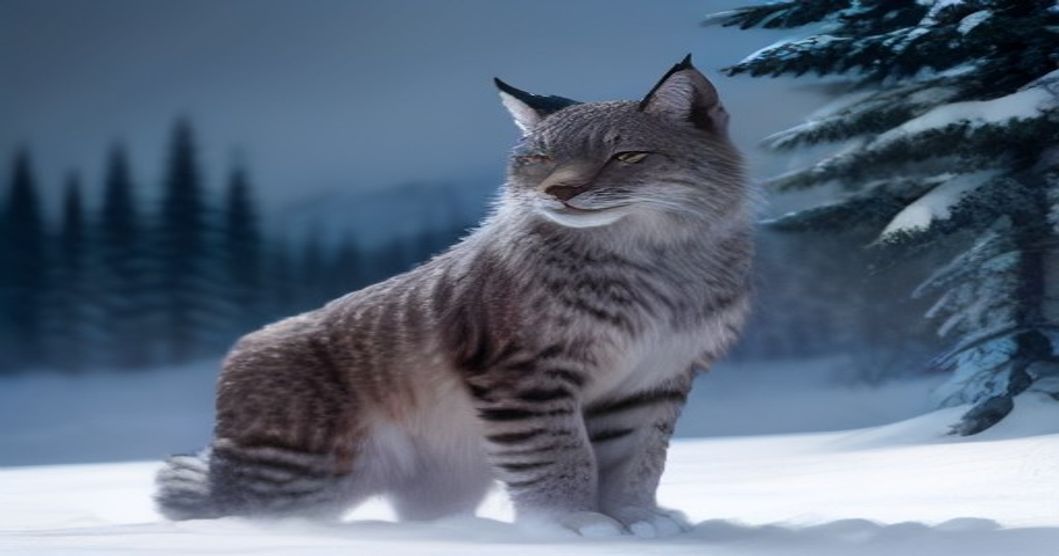
In a remarkable display of patience and field craft, a documentary filmmaker recently spent 76 days immersed in the frozen wilderness of the Yukon. By maintaining a respectful and consistent presence, the operator successfully acclimated a wild Canadian Lynx to his proximity and equipment. This rare connection highlights the intelligence and adaptability of one of North America’s most mysterious predators, proving that even the most solitary cats can form a tentative, trusting bond with those who approach them with genuine care.
Anatomy and Physical Adaptations
The Canadian Lynx (Lynx canadensis) is a master of its subarctic environment. Slightly more compact than its Eurasian cousin, this feline typically measures between 85 and 115 centimeters in body length, standing roughly 60 to 65 centimeters at the withers. Weighing in at a slender 8 to 14 kilograms, their build is perfectly optimized for navigating dense forests. Perhaps their most fascinating physical trait is their disproportionately large paws, which function as natural snowshoes, allowing the lynx to traverse deep, soft snow with ease while stalking prey.
Dietary Habits and Ecosystem Dynamics
The survival of the Canadian Lynx is intrinsically linked to the snowshoe hare, which accounts for up to 75% of their total diet. While they are opportunistic hunters—occasionally supplementing their meals with birds, squirrels, beavers, muskrats, and even ungulates like red deer or bighorn sheep—their reproductive cycles are tightly synchronized with hare population cycles. When prey numbers drop, the lynx instinctively curtails its reproductive efforts, serving as a classic example of how nature maintains a delicate balance between predator and prey populations.
Habitat and Distribution
These resilient cats favor the vast, forested landscapes of Alaska and Canada. In the United States, they are found in select mountainous regions, including parts of Montana, Idaho, Washington, and Colorado. As climate patterns shift and human encroachment continues, understanding the specific environmental needs of these animals is crucial for their long-term conservation and health.