
Introduction to the Black-necked Swan
The Black-necked Swan (Cygnus melancoryphus) is a stunning representative of South American avian life. As the smallest member of the swan family, it possesses a unique combination of grace and specialized biological traits that make it a subject of great interest for veterinarians and ornithologists alike.
Physical Features and Identification
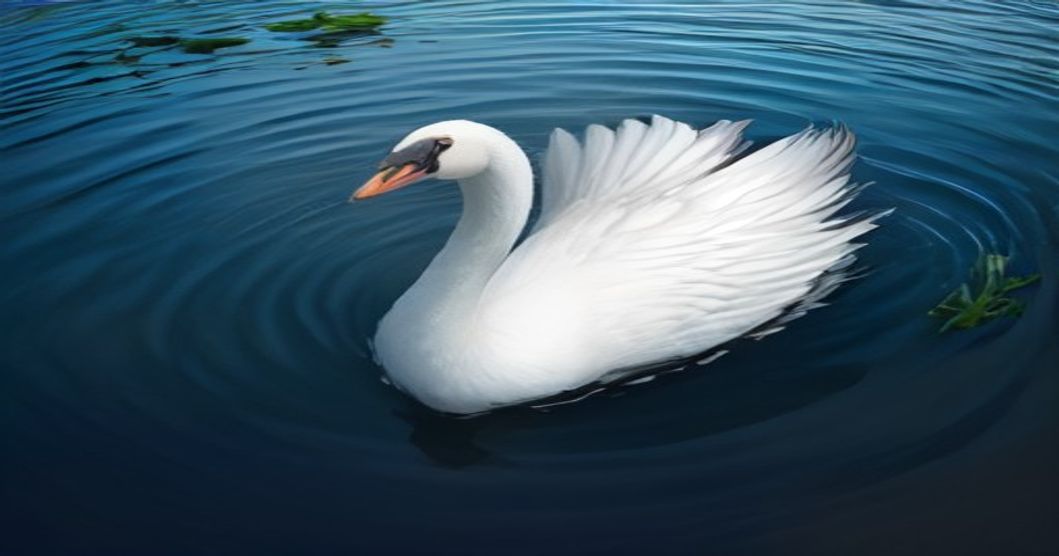
These swans are easily identified by their contrasting plumage—pure white bodies paired with striking black necks. They exhibit clear sexual dimorphism; while males can weigh up to 6.5 kg, the females are significantly smaller. Both sexes feature a grey beak adorned with a fleshy red knob, known as a caruncle, which is more prominent in males. A subtle white line encircles the eye, and their legs are a distinctive pink hue.
Reproductive Behavior and Maternal Instincts
In the wild, the nesting period is a critical time for the species. Observations of female Black-necked Swans show intense dedication to their clutch. It is not uncommon to see a female laying an egg and immediately asserting dominance over the nesting area, even driving the male away temporarily. This behavior ensures the safety of the nest during the most vulnerable moments of the reproductive cycle.
The Most Aquatic of Swans
Perhaps the most fascinating physiological trait of the Black-necked Swan is its extreme adaptation to an aquatic lifestyle. On land, these birds are notably clumsy; their leg placement makes walking difficult, often resulting in them falling after just a few steps. As a result, they are considered the most aquatic of all swans, spending nearly their entire lives on the water. Their range extends from the southern reaches of Tierra del Fuego and the Falkland Islands to the warmer wintering grounds of Paraguay and Brazil.
Dietary Habits and Ecosystem Role
Feeding primarily in shallow marshes and ponds overgrown with vegetation, these swans are specialized herbivores. They rely on algae and various aquatic plants for nutrition. Their long necks serve as a vital tool, allowing them to forage at depths of up to 70 cm, accessing nutrients that other waterfowl cannot reach. This foraging behavior helps maintain the health of wetland ecosystems by managing aquatic plant growth.