
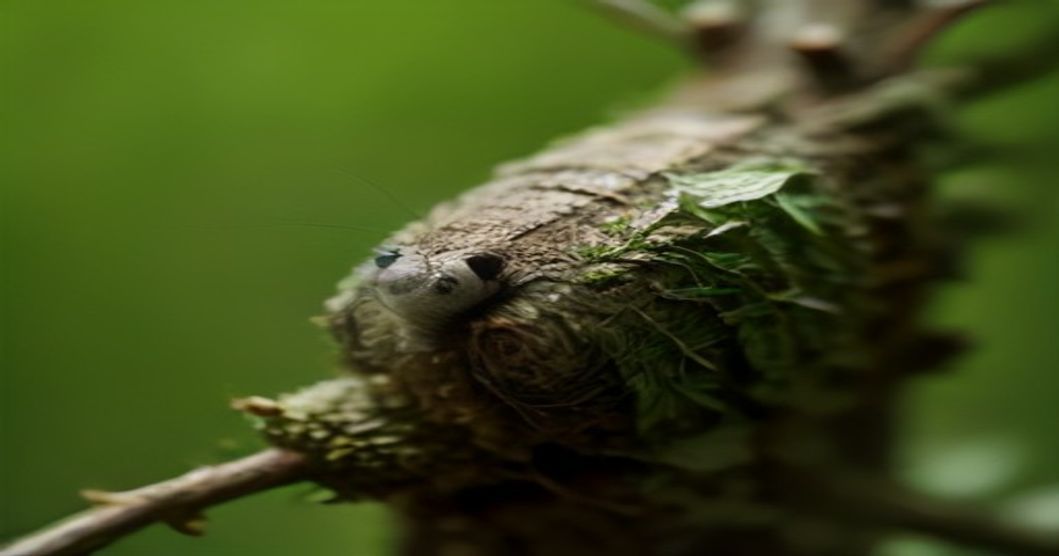
Introduction to Psychidae: Nature’s Master Builders
In the vast and diverse world of entomology, few creatures are as uniquely fascinating as the Case-Bearing Moths belonging to the family Psychidae. These remarkable insects earn their name from the intricate silken cocoon, or “case,” that the caterpillar constructs around itself immediately after hatching and carries faithfully throughout its entire life.
The Architecture of Survival
Long before taking their very first bite of food, newborn caterpillars begin the meticulous process of building their protective mobile homes. The case is primarily spun from durable silk, produced by specialized silk glands located near the caterpillar’s jaws. To enhance their defense mechanism, these ingenious larvae adorn the exterior of their silken cases with fragments of twigs, sand, lichen, and other debris, allowing them to blend seamlessly into their natural surroundings and evade hungry predators.
Habitat Preferences and Health Requirements
Maintaining a healthy environment inside the case is a matter of life and death for these caterpillars. The interior must remain strictly smooth and dry to prevent the accumulation of moisture, which can rapidly lead to fatal mold growth. Because of this physiological need, case-bearing moths show a distinct preference for warm, sunny, and well-heated microclimates. They thrive in diverse ecosystems, ranging from sun-drenched pine forests and peaceful riverbanks to forest edges, expansive steppes, and rugged mountain slopes.
An Astonishing Lifespan
While many moth species complete their life cycles in a matter of weeks, the Psychidae family holds a remarkable secret. Some species of case-bearing moths spend an astonishing duration of up to two full years carrying their portable homes before finally reaching the pupation stage. This extraordinary adaptation highlights the incredible resilience and evolutionary success of these tiny architects of the natural world.