
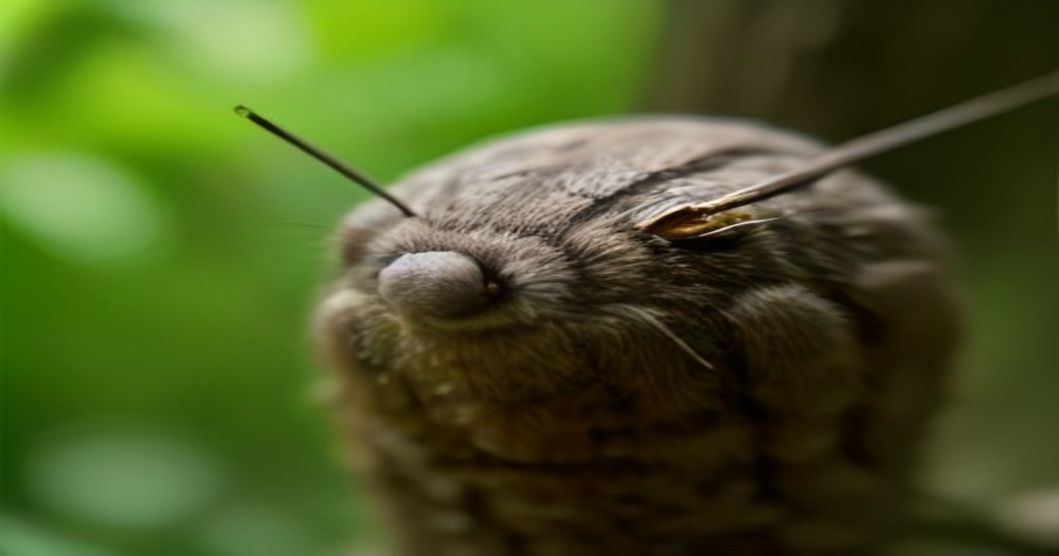
Introduction to the Psychidae Family
In the vast and diverse world of entomology, few insects possess the architectural ingenuity of the Case-Bearing Moths belonging to the Psychidae family. These unique moths are widely recognized for the distinctive silken cocoon, or case, that the caterpillar constructs around itself shortly after hatching and carries throughout its entire larval life. As pet care experts and animal health professionals, understanding the various environmental elements our pets encounter—including intriguing insects like the Psychidae—helps ensure a safe and harmonious backyard ecosystem for dogs, cats, and small mammals alike.
The Architecture of Survival
The lifecycle of a case-bearing moth begins with remarkable industriousness. Caterpillars start building their protective cases immediately upon hatching, accomplishing this crucial task even before taking their first meal. The case is primarily composed of robust silk produced by specialized silk glands, which are actually modified salivary glands located near the caterpillar’s jaws. To enhance camouflage, the clever caterpillar adorns the exterior of this silken mobile home with various natural materials from its environment, allowing it to seamlessly blend into its surroundings and evade potential predators.
Habitat Preferences and Mold Prevention
Maintenance of the cocoon is critical to the caterpillar’s survival. The interior of the cocoon must remain exceptionally smooth and dry to prevent the accumulation of moisture, which can lead to fatal mold growth. Because of this strict environmental requirement, case-bearing moths heavily gravitate toward sunny, well-heated locations. Common natural habitats include pine forests, sunny riverbanks, forest edges, open steppes, and warm mountain slopes where sunlight naturally inhibits dampness.
Fascinating Entomological Facts
One of the most astonishing traits of these remarkable creatures is their longevity in the larval stage. While many moth species develop rapidly, some case-bearing moth species can actively carry and inhabit their mobile cases for up to two full years before finally reaching the pupating stage. Whether you are an avid naturalist, a curious pet owner, or a professional animal health writer, exploring the hidden wonders of species like the Psychidae reminds us of the incredible adaptability and resilience found across the animal kingdom.