
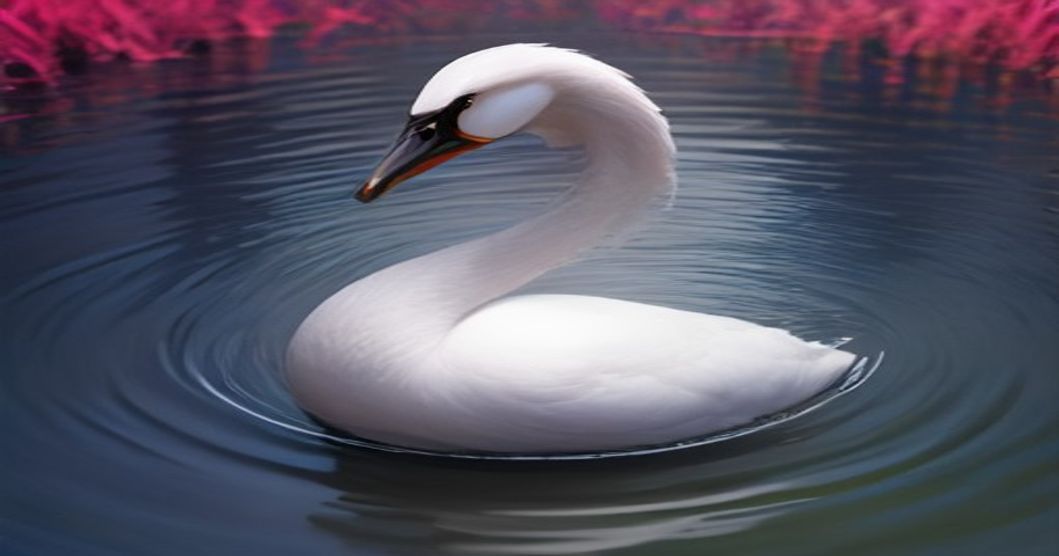
Introduction to the Black-Necked Swan
As a veterinarian and avian care specialist, observing the intricate behaviors of waterfowl is always a captivating experience. Here, we capture a fascinating moment: a female Black-necked Swan (Cygnus melancoryphus) carefully laying an egg, immediately followed by her driving the male away to secure the nesting site. This striking species holds the title of being the smallest of all living swans. Adult males typically weigh up to 6.5 kg, while females are noticeably smaller in size, displaying classic sexual dimorphism common in waterfowl.
Physical Characteristics and Identification
The Black-necked Swan is easily distinguished by its dramatic coloration. It features a velvety black head and neck contrasting sharply against a brilliant white body. Their distinctive beak is grey, topped with a prominent red knob—a feature that tends to be significantly larger in males. Adding to their elegant appearance, a thin white line frames each eye, and their webbed feet boast a vibrant pink hue. These anatomical traits not only make them visually stunning but also serve important roles in social signaling and species recognition.
Habitat, Distribution, and Migration
Endemic to the breathtaking landscapes of South America, these swans primarily nest in the southern regions of the continent, extending as far south as Tierra del Fuego and the Falkland Islands. As winter approaches, exhibiting remarkable migratory behavior, they journey northward to more temperate regions, reaching as far as Paraguay and Brazil. Maintaining proper environmental conditions during these seasonal shifts is crucial for their metabolic health and overall well-being.
Aquatic Adaptations and Foraging Behavior
Interestingly, Black-necked Swans are notably clumsy on land—often taking just a couple of awkward steps before losing their balance. Because of this, they spend the vast majority of their lives gracefully gliding across the water, earning them the reputation of being the most aquatic of all swan species. For their dietary needs, they frequent marshes and ponds dense with algae and submerged aquatic vegetation. Utilizing their impressively long necks, they expertly forage in shallow waters, reaching vital plant matter and nutrients from depths of up to 70 centimeters.