
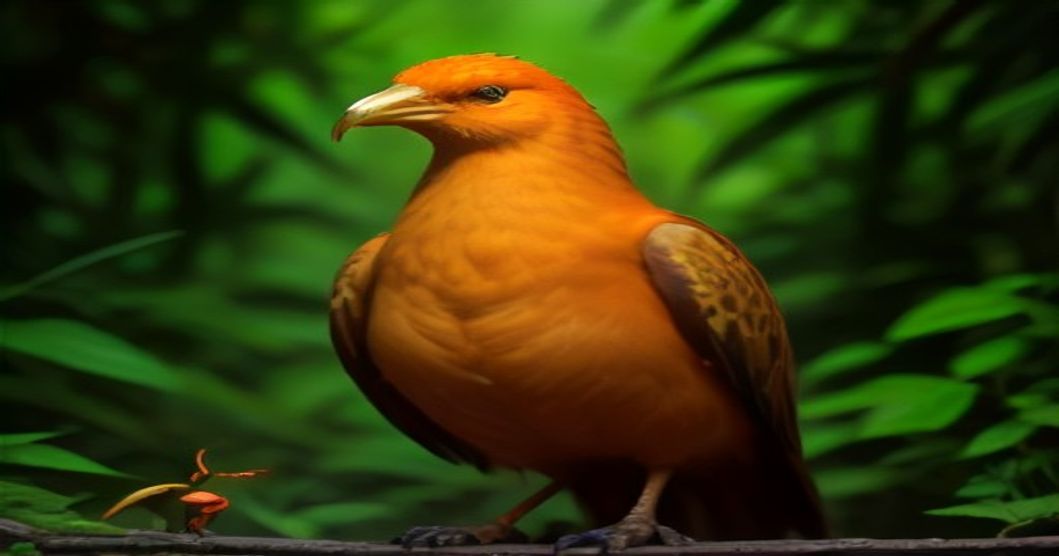
Introduction to the Flame Bowerbird
The Flame Bowerbird (Sericulus ardens) stands out as one of the most brilliantly colored and captivating members of the bowerbird family. Native exclusively to the lush tropical rainforests of New Guinea, this avian marvel captures the attention of ornithologists, birdwatchers, and animal enthusiasts alike with its striking appearance and complex behavioral traits.
Courtship Architecture and the Art of the Bower
Much like other remarkable bowerbird species, adult males invest immense time and energy into constructing a specialized structure known as a “bower.” Built meticulously from twigs, grasses, and forest debris, this architectural masterpiece serves a singular purpose: attracting prospective female mates. The bower is not a nest for raising chicks, but rather an elaborate stage designed for avian romance.
The Dazzling Courtship Dance and Gift-Giving
Once a female approaches the bower, the male initiates a mesmerizing courtship ritual. He showcases his vibrant plumage through an energetic dance accompanied by unique vocalizations. To seal the deal, he picks up a carefully selected “gift” in his beak—such as a bright leaf, fruit, or shiny object—and presents it to his modest, sole spectator. This intricate display highlights the high level of cognitive and behavioral evolution within the species.
The Biological Significance of Brilliant Colors
The breathtaking, fiery plumage of the male Flame Bowerbird is far more than just a visual spectacle. From an evolutionary standpoint, these vibrant colors play a crucial role in mate selection, signaling health, vitality, and genetic superiority to females. Furthermore, this intense coloration helps males establish dominance hierarchies within their tropical habitat, ensuring that only the fittest individuals secure reproductive success.