
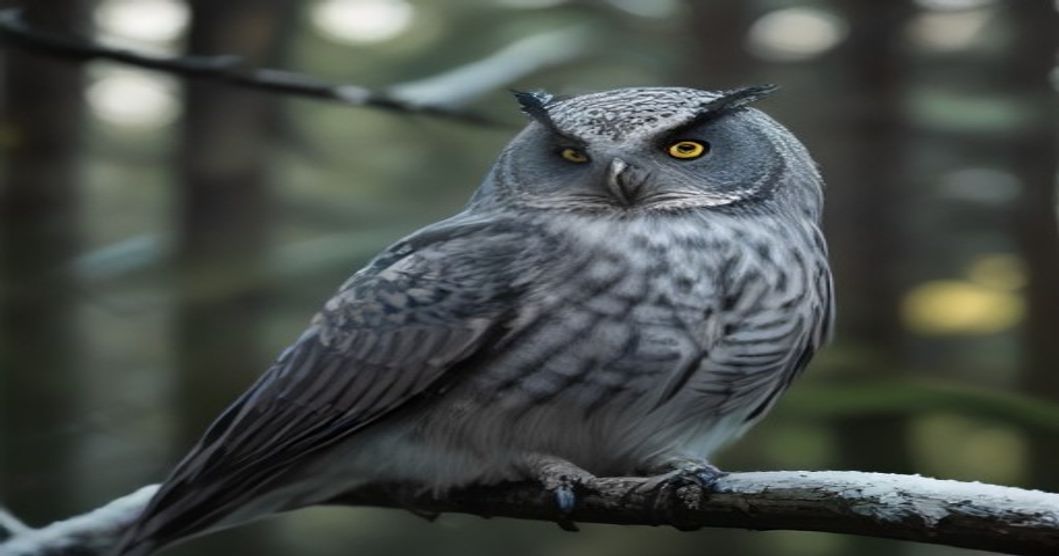
Anatomy of a Forest Giant
The Great Grey Owl (Strix nebulosa) stands as one of the most majestic avian predators in the Northern Hemisphere. Reaching body lengths of up to 80 centimeters and boasting an impressive wingspan of 1.5 meters, these birds possess a deceptive physique. Despite their imposing stature, they are surprisingly light, with males typically weighing between 700 to 800 grams, while females remain just over the 1-kilogram threshold. This light-as-air build allows for silent, efficient flight through dense boreal forests.
Mastery of the Hunt
In regions such as Oulu, Finland, these owls have become legendary for their proximity to human observers. While they maintain their wild instincts, they are often remarkably calm, allowing for rare glimpses into their hunting rituals. Their diet is highly specialized, consisting of 80% to 90% small rodents. A single owl acts as a natural pest control powerhouse, consuming approximately 700 mice and voles over the course of a six-month summer period. Beyond their primary prey, they are opportunistic hunters, supplementing their intake with squirrels, small birds, frogs, and large insects.
Survival and Behavior
Adaptation is key to the Great Grey Owl’s survival. Their thick plumage is designed for extreme cold; however, this insulation becomes a liability during the summer. Because they struggle significantly with heat regulation, these owls are masters of behavior modification, retreating to the dense shade of forest branches during the peak intensity of the midday sun. Understanding these environmental requirements is crucial for conservation efforts to protect the habitats these magnificent hunters call home.