
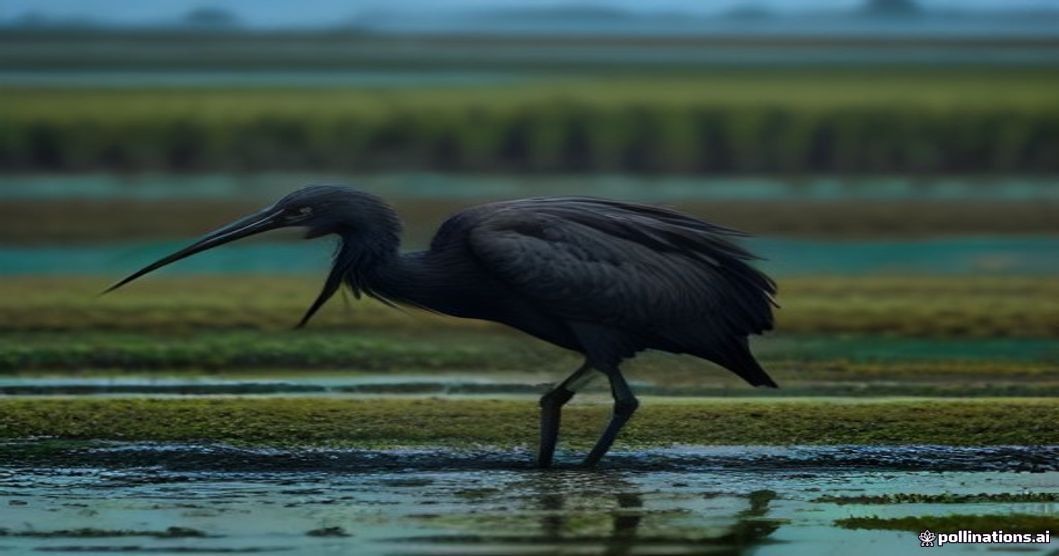
Introduction to the Glossy Ibis
As a veterinarian and passionate wildlife health expert, I am always captivated by the diverse avian species that grace our wetlands. Among them, the Glossy Ibis (Plegadis falcinellus) stands out as a truly remarkable bird. Belonging to the ibis family, this species possesses a more subdued coloration compared to its flamboyant cousins, yet it exudes a quiet, iridescent elegance that is equally enchanting.
Physical Characteristics and Identification
The Glossy Ibis is a medium-sized wading bird, typically measuring around 56 cm in body length with a healthy weight ranging between 500 and 1000 grams. Adult birds showcase a rich, dark brown plumage highlighted by a stunning bronze and green metallic sheen that catches the sunlight beautifully. Juveniles, on the other hand, display a simpler brown appearance lacking the metallic gloss, often adorned with distinctive white streaks on the head and neck that gradually fade as they mature into adulthood.
Unique Foraging Behavior and Diet
One of the most fascinating aspects of the Glossy Ibis is its specialized feeding technique. Equipped with a long, downward-curved bill, these birds employ a tactile probing method in soft mud and shallow waters. This anatomical marvel allows them to detect and capture hidden prey, including aquatic insects, crustaceans, and small fish, making them vital contributors to the ecological balance of their wetland habitats.
Habitat and Social Structure
Glossy Ibises are predominantly wetland-dependent, thriving in freshwater and slightly brackish environments, extensive swamps, coastal lagoons, shallow waters, and dynamic floodplains. Highly social creatures, they frequently gather in flocks of up to a hundred individuals. While they predominantly forage together in shallow, muddy marshes—and occasionally venture into agricultural rice fields and wet meadows—these birds seek safety in numbers by roosting securely in surrounding trees at night.