
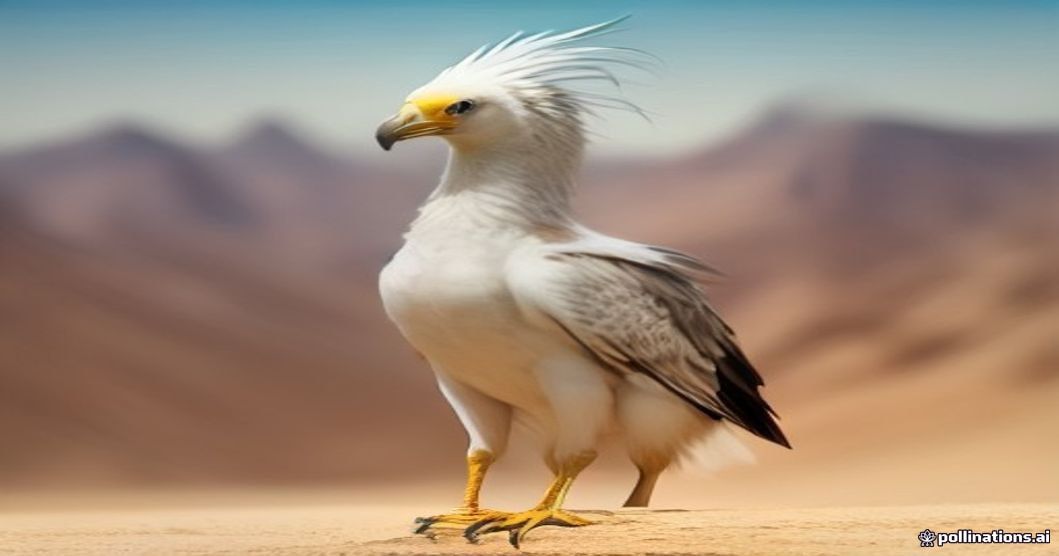
Introduction to the Egyptian Vulture
The Egyptian Vulture, scientifically known as Neophron percnopterus, is frequently perceived simply as a scavenger that feeds on decaying carcasses. While this may not sound particularly appealing at first glance, these remarkable birds actually fulfill a vital role within our global ecosystem. Unlike apex predators, vultures cause significantly less direct harm to other living species while offering profound environmental benefits that keep habitats clean and disease-free.
Historical Reverence: The Pharaoh’s Chicken
In Egypt, the Egyptian Vulture has been deeply revered since ancient times, earning the affectionate and prestigious nickname “Pharaoh’s Chicken.” Historically, these birds were protected and allowed to nest even within the majestic pyramids. Today, recognizing their ecological importance and historical significance, harming these magnificent creatures is strictly illegal.
Physical Characteristics and Appearance
As a distinct species, this vulture is a medium-to-large raptor. Adults typically reach a length of 60 to 70 centimeters, boast an impressive wingspan exceeding 1.5 meters, and generally weigh between 1.6 and 2.3 kilograms. Their striking plumage features a predominantly white body, contrasted by distinctive black feathers along the wing edges and vibrant yellow skin and feathers around the throat.
Remarkable Intelligence and Tool Use
Beyond their ecological cleanup duties, Egyptian Vultures possess a fascinating trait: they are among the rare group of avian species known to use tools. These intelligent birds utilize stones in a calculated manner to crack open tough ostrich eggs, demonstrating a level of problem-solving and cognitive ability that continues to captivate ornithologists and animal behavior experts alike.