
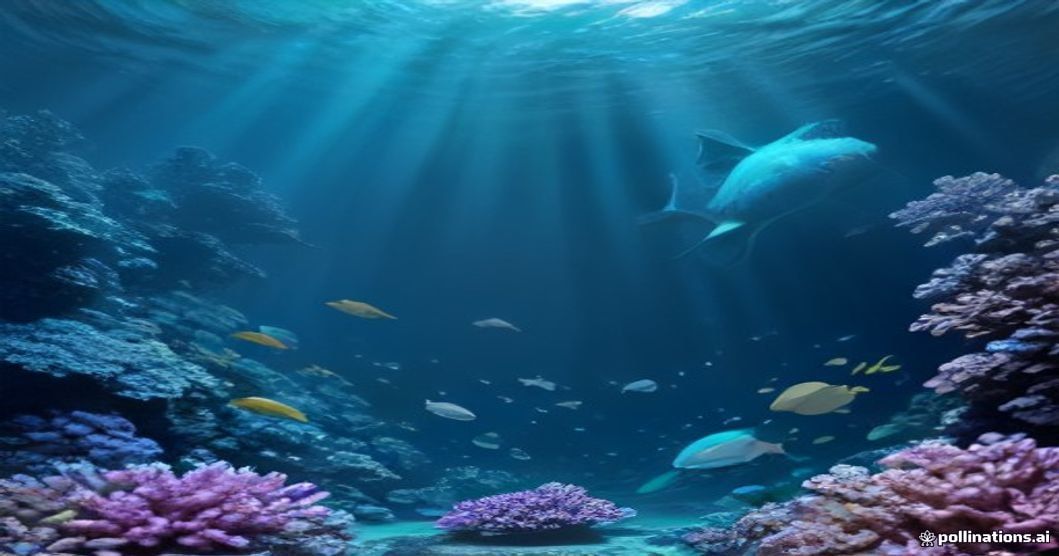
Introduction to the Gentle Giant of the Indo-Pacific
In the vibrant, bustling ecosystems of the Indo-Pacific coral reefs, few marine species command as much presence and wonder as the Humphead Wrasse (Cheilinus undulatus). Easily recognized by its distinctive prominent forehead hump and thick, fleshy lips, this magnificent fish is one of the largest reef-dwelling species on the planet. As a veterinarian and marine animal health advocate, exploring the unique physiology and ecological significance of such charismatic megafauna offers profound insight into the delicate balance of our ocean ecosystems.
Impressive Physical Characteristics and Dimorphism
The Humphead Wrasse exhibits remarkable sexual dimorphism and growth potential. Mature males can reach staggering proportions—growing up to two meters in length and weighing an incredible 180 kilograms (nearly 400 pounds). In contrast, females are significantly smaller, rarely exceeding one meter in length. Their striking blue-green or vibrant turquoise coloration, adorned with intricate, maze-like patterns around the head, not only serves as a visual masterpiece but also provides effective camouflage within the complex architecture of the coral reef.
Unique Dietary Habits and Ecological Role
Beyond their sheer size, these fearless predators play a crucial role in maintaining the health of the coral reef ecosystem. Their diet primarily consists of hard-shelled invertebrates, including crustaceans, mollusks, and even venomous sea creatures like crown-of-thorns starfish and toxic box crabs. Equipped with powerful, crushing pharyngeal teeth, the Humphead Wrasse acts as a natural biological control agent, keeping potentially destructive populations of invertebrates in check and preventing outbreaks that could otherwise devastate coral cover.
Conservation Status and Threats
Despite their ecological importance, Humphead Wrasses face a dire struggle for survival. Classified as Endangered on the IUCN Red List, these fish are heavily targeted by human activities. They are particularly vulnerable to overfishing, driven by the lucrative live reef food fish trade, where a single kilogram can command prices up to $200. Because they are long-lived, slow-growing, and late to mature, their populations cannot quickly recover from heavy harvesting. Protecting this majestic species requires urgent global conservation efforts, stricter trade regulations, and heightened awareness to ensure these gentle giants continue to grace our coral reefs for generations to come.