
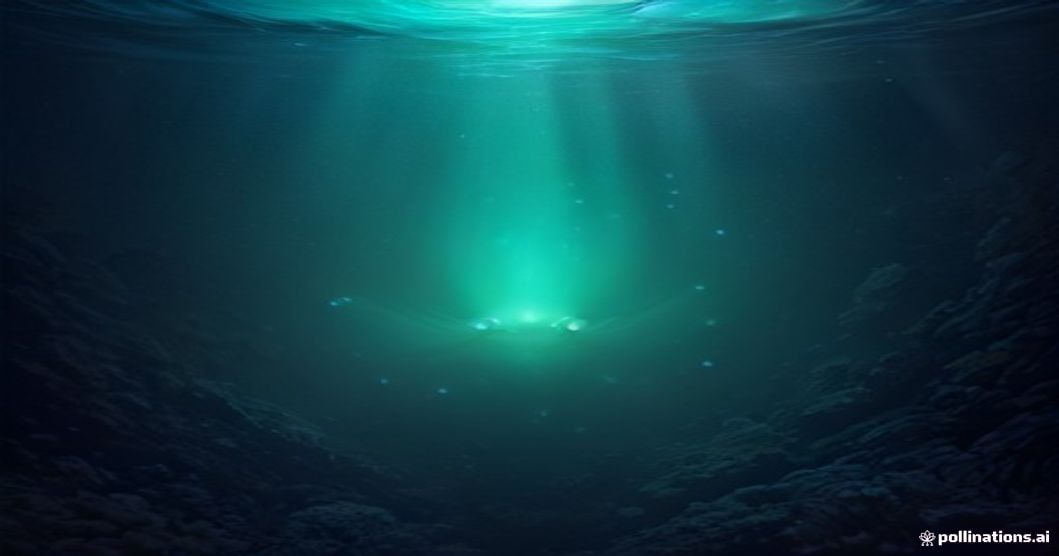
Introduction to the Anomalopidae Family
In the vast and mysterious depths of the ocean, nature has evolved some of the most fascinating survival mechanisms. Among the most captivating are the members of the Anomalopidae family, commonly known as flashlight fish. Renowned for their mesmerizing bioluminescence, these unique marine creatures illuminate the pitch-black waters of the deep sea using specialized subocular light-producing organs.
The Symbiotic Wonder of Bioluminescence
At the heart of the flashlight fish’s glowing ability is a remarkable symbiotic relationship. Their light organs are packed with microscopic tubes housing luminescent bacteria. In this biological partnership, the fish provides a safe environment complete with warmth and oxygen, while the grateful microorganisms produce a brilliant glow that lights the fish’s way through the dark ocean depths.
Species Diversity and Habitats
The Anomalopidae family primarily consists of three distinct species, varying in size and geographic distribution:
- Large Flashlight Fish: Growing up to 30 centimeters in length.
- Small Flashlight Fish: Reaching up to 10 centimeters.
- Jamaican Flashlight Fish: A localized species exclusively found in the warm waters of the Caribbean Sea.
Mastering the Glow: Light Regulation
While flashlight fish cannot simply turn their bacterial lights off and on at will, they have evolved clever mechanisms to regulate the illumination. Depending on the species, they control their brightness either by pulling a specialized skin flap over the light organ (as seen in smaller species) or by utilizing unique internal muscles to rotate or obscure the glow (found in larger species).