
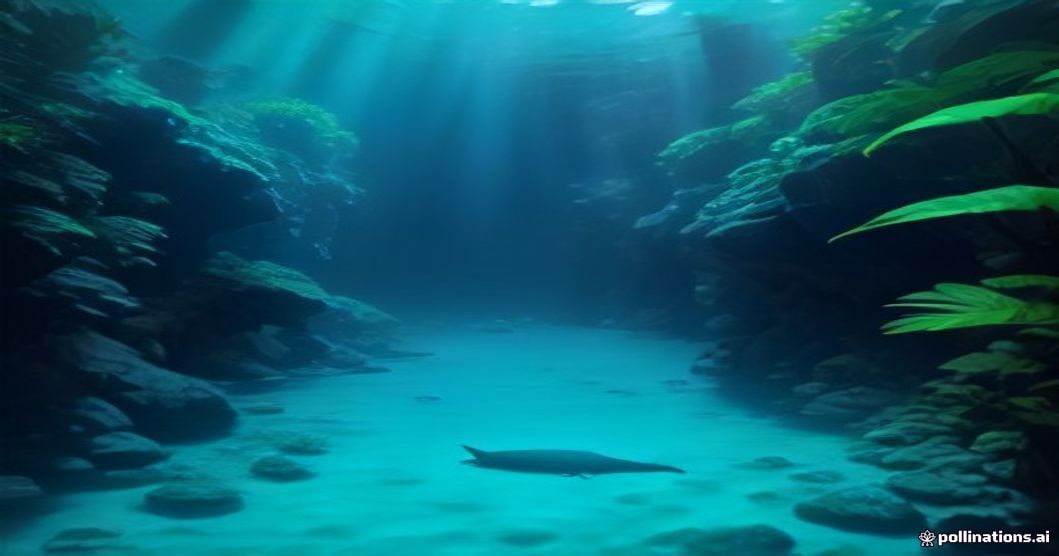
Among freshwater fish enthusiasts and aquatic biologists alike, few species command attention quite like the Black Labeo (Labeo chrysophekadion). Widely recognized in the international aquarium trade as the ‘Black Shark’ due to its dramatic dorsal fin and sleek, predatory silhouette, this remarkable freshwater teleost is an essential component of Southeast Asian river ecology and an extraordinary example of nature’s cleaning crew.
Natural Distribution and River Ecology
The Black Labeo is native to major river systems throughout Southeast Asia, including the Mekong and Chao Phraya basins, as well as freshwater habitats across Malaysia, Thailand, Laos, Cambodia, and the Greater Sunda Islands of Sumatra and Borneo. In their native waters, these fish inhabit large, flowing rivers, deep pools, and seasonally flooded agricultural floodplains. During the onset of the monsoon season, adult specimens undertake extensive upstream migrations to spawn in flooded plains, where the newly hatched fry exploit abundant micro-invertebrates and botanical matter.
Morphology and Unique Symbiotic Behavior
Reaching impressive lengths between 60 and 90 centimeters (24 to 36 inches), Labeo chrysophekadion possesses a deep, laterally compressed body covered in dense, velvety black or dark charcoal scales. Its mouth is distinctly subterminal and specialized: fleshy, fringed lips lined with fine papillae allow it to graze algae, bio-film, and detritus from sunken logs and rocks.
Remarkably, this grazing adaptation translates into an intriguing symbiotic behavior. In public aquatic reserves and large biotope environments, Black Labeos act as dedicated cleaning organisms. They readily inspect large megafauna—most notably captive river hippopotami and endemic river giants—grazing dead skin, parasitic organisms, and microbial growth from their hides. In famous wildlife exhibits, these bold scavengers even venture into the open mouths of megafauna to gently rasp algae and trapped food particles from teeth and gums, demonstrating a mutualistic cleaning role akin to marine cleaner wrasses.
Aquarium and Veterinary Considerations
While frequently sold as exotic juveniles in retail fish stores, the Black Labeo presents substantial challenges for the unprepared aquarist. From a veterinary and animal welfare perspective, keeping this species requires strict adherence to its physiological needs:
Tank Size and Growth: Due to their potential to exceed two feet in length, adult Black Sharks demand massive aquatic systems, typically 250 gallons or larger, equipped with robust filtration systems capable of handling their significant bioload.
Territoriality: While juveniles are generally peaceful, adults develop strong territorial instincts. Keeping multiple conspecifics in limited spaces frequently leads to aggressive dominance battles. They thrive best in spacious community setups with robust, active fish that inhabit upper water columns.
Dietary Health: As specialized benthivorous grazers, their digestive tract is long and suited to plant-heavy nutrition. Prolonged feeding of high-protein diets can lead to digestive disorders and fatty liver changes. A diet rich in spirulina pellets, fresh blanched greens (such as zucchini, spinach, and shelled peas), and supplemental benthic invertebrates is vital for maintaining vibrant pigmentation and cellular health.