
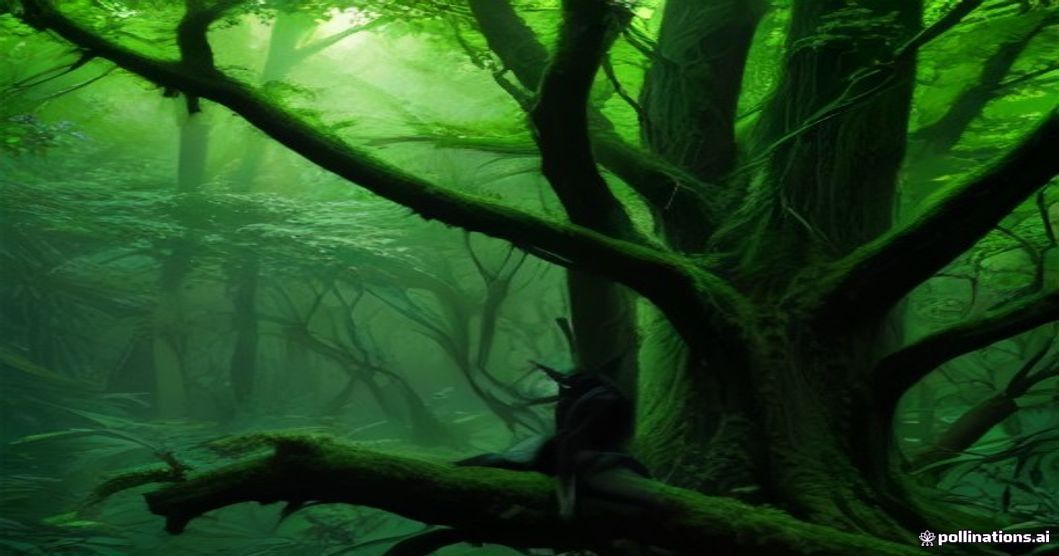
When discussing how to make a ‘panther’ happy, it is essential to first understand what a panther truly is from a zoological and veterinary standpoint. ‘Black panther’ is not a distinct species, but rather a melanistic color variant of either the leopard (Panthera pardus) found in Africa and Asia, or the jaguar (Panthera onca) native to the Americas. These are formidable, apex apex predators with intricate physiological, sensory, and psychological requirements. In accredited wildlife sanctuaries and zoological facilities, ‘happiness’ in big cats translates directly to optimal welfare: a state characterized by low chronic stress, positive affective states, dynamic mental engagement, and the freedom to express innate wild behaviors.
1. Expansive, Species-Specific Vertical and Aquatic Territorials
Territorial security is the cornerstone of psychological comfort for any big cat. For melanistic leopards, happiness requires extensive vertical complexity. In the wild, leopards spend significant periods of time cached high in trees to rest, survey territory, and safeguard meals. Captive environments must provide multi-tiered climbing structures, elevated cat-walks, robust hammocks, and shaded platforms situated well above human eye level. For melanistic jaguars, access to clean, deep water features is non-negotiable. Jaguars are avid swimmers and hunters; large natural pools, waterfalls, and shoreline plantings allow them to thermoregulate, exercise, and engage in natural water play.
2. Nutritional Enrichment and Natural Feeding Strategies
In feline medicine, feeding is far more than meeting caloric and macronutrient targets—it is an essential cognitive outlet. Feeding domestic or commercial processed meat in predictable bowls can lead to severe boredom and stereotypical pacing behaviors. Animal welfare specialists employ dynamic carcass feeding protocols, offering whole prey, bone-in joints, and hidden meat caches. Tearing through hide, crunching bone, and processing muscle stimulates jaw health, releases endorphins, and mimics the natural feast-and-fast cycle of wild predators. Varying feeding schedules prevents anticipatory stress and keeps the cat mentally sharp.
3. Sensory and Olfactory Stimulation
Panthers experience their world intensely through their senses, especially olfaction and hearing. Olfactory enrichment is one of the most effective tools to induce calm and curious behaviors. Caretakers regularly introduce safe, non-toxic scents into enclosures, such as exotic spices (cinnamon, cumin), natural essential oils, catnip, or dung from ungulates like zebra or deer. Novel tactile objects, such as heavy-duty boomer balls, frozen blood blocks, burlap sacks filled with straw, and fresh logs with bark, satisfy natural scratching, scent-marking, and exploratory drives.
4. Positive Reinforcement Training (Operant Conditioning)
Agency—the ability to make choices and exert control over one’s environment—is critical for the psychological health of large carnivores. Positive Reinforcement Training (PRT) using target sticks and preferred treats creates a constructive, stress-free partnership between the panther and veterinary staff. Through voluntary operant conditioning, panthers learn behaviors such as presenting a tail or flank for blood draws, entering transport crates willingly, and displaying paws and teeth for routine clinical evaluations. This avoids the stress of chemical immobilization and provides immense cognitive enrichment.
5. Respecting Solitary Ecology and Autonomy
Both leopards and jaguars are solitary by nature, coming together only for brief mating periods or while raising cubs. Forcing these animals into shared spaces or providing visual exposure to other territorial rivals often triggers chronic endocrine stress. A truly contented panther is given visual barriers, dense vegetation for concealment, secluded denning boxes, and the autonomy to retreat from public view whenever they desire. True feline welfare lies in providing the conditions where their wild, powerful instincts can flourish safely and peacefully.