
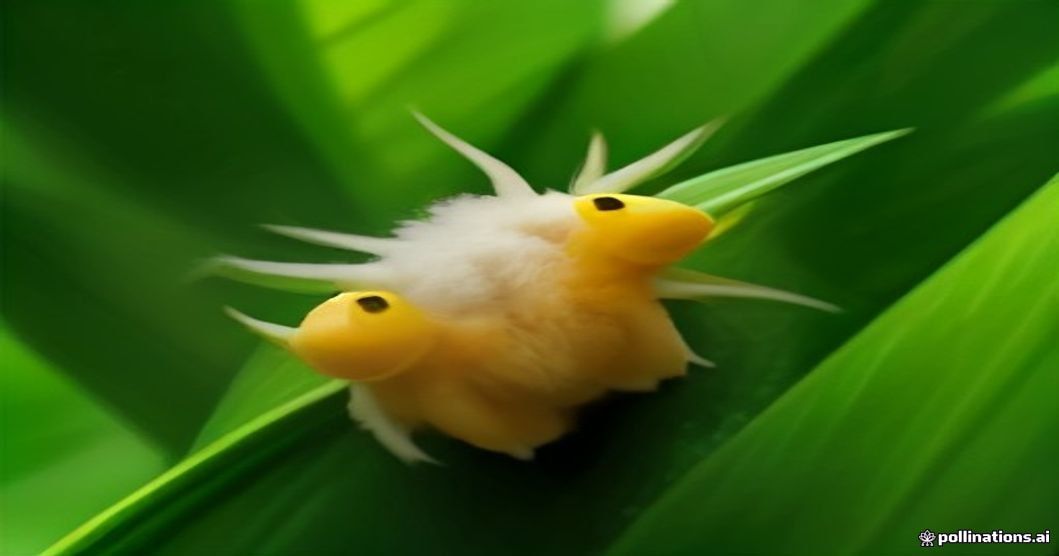
Introduction to the White Bat
Deep within the lush, humid rainforests of Central and South America resides one of nature’s most enchanting and unusual mammals: the white bat (Ectophylla alba), more commonly known as the Honduran white bat. As the sole member of the monotypic genus Ectophylla and belonging to the New World leaf-nosed bat family (Phyllostomidae), this remarkable species immediately captures the imagination of wildlife enthusiasts and veterinary professionals alike with its striking, snow-white fur and vibrant golden-yellow facial features.
Unique Morphology and Camouflage
Unlike the traditional notion of dark, nocturnal bats, the white bat boasts a coat of pure, fluffy white fur that serves a brilliant evolutionary purpose. These tiny creatures—typically measuring just 37 to 47 millimeters in length—utilize their coloration as specialized camouflage. By roosting underneath the giant leaves of the Heliconia plant, the bats hang in colonies of up to six individuals. When sunlight filters through the green foliage, it passes through the translucent white fur, casting a soft green hue over the bats that renders them nearly invisible to predators like snakes, monkeys, and coatis.
Diet, Behavior, and Ecological Role
From a dietary perspective, the white bat is a specialized frugivore. Unlike insectivorous or vampire bats, Ectophylla alba relies almost exclusively on a specific species of wild fig found within its rainforest habitat. Using their sharp teeth, they feed on the juicy fruits and cleverly modify the leaves of their host plants by cutting the side veins, causing the leaf to fold downward like a tiny green tent. This behavior not only provides them with a secure shelter from tropical rains and harsh sun but also plays a vital ecological role. As they forage, these bats act as crucial seed dispersers, helping to regenerate and maintain the health of neotropical rainforest ecosystems.
Conservation Status and Veterinary Perspectives
As wildlife and conservation veterinarians continue to study neotropical biodiversity, species like the white bat highlight the delicate balance of tropical ecosystems. Currently classified by the IUCN as Near Threatened, Ectophylla alba faces significant pressures primarily driven by habitat fragmentation, deforestation, and climate change. Because they rely so heavily on specific micro-habitats—namely primary rainforests with mature Heliconia plants—any disruption to their immediate environment can devastate local colonies. Protecting these charismatic mammals requires comprehensive conservation strategies focused on preserving tropical canopies and safeguarding the rich biodiversity of Central and South America for generations to come.