
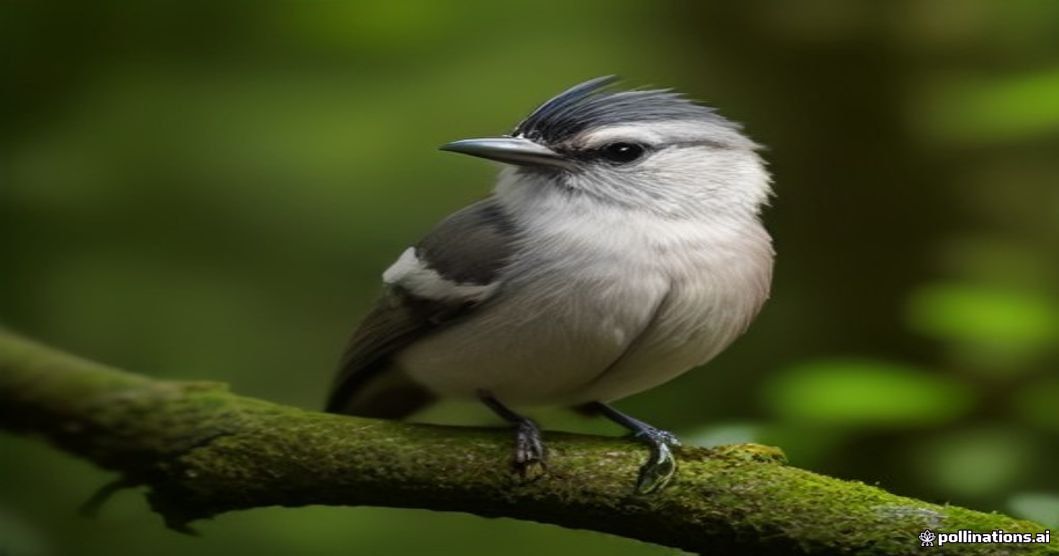
When observing the rich biodiversity of our woodlands, few birds capture the imagination quite like the Great Crested Tit (Lophophanes cristatus). Instantly recognizable by its striking, speckled crest and energetic demeanor, this quintessential forest dweller is as resourceful as it is charming. As a veterinarian and avian care enthusiast, I am continually fascinated by the intricate behaviors these birds exhibit, particularly during the critical breeding season when they gather specialized nesting material to secure the future of their clutch.
The Architecture of Avian Nurseries
Unlike many garden birds that construct open cup-shaped nests in the forks of branches, the Great Crested Tit is a cavity nester with a penchant for meticulous interior design. Typically utilizing natural tree hollows, abandoned woodpecker holes, or occasionally specialized nest boxes, these birds invest a tremendous amount of energy into transforming a dark cavity into a warm, secure nursery. The female takes the primary role in construction, meticulously weaving together a diverse array of materials.
Sourcing the Finest Nesting Material
The success of a Great Crested Tit’s brood heavily relies on the quality and composition of the nesting material they forage. Their nests are architectural marvels built in distinct layers. The foundation often consists of coarse moss, lichens, and strips of bark to provide structural integrity and moisture resistance. As the interior takes shape, the birds transition to softer, highly insulating materials such as spider silk, sheep’s wool, animal fur, and downy plant fibers. This creates a thermal blanket that is vital for regulating the temperature of the developing eggs and delicate hatchlings.
Health, Hygiene, and Parasite Control
From an animal health perspective, the choice of nesting material serves a brilliant evolutionary purpose beyond mere warmth. Great Crested Tits are known to incorporate aromatic plants and resin from coniferous trees into their nests. Veterinary science suggests that these natural resins possess antimicrobial and antiparasitic properties, helping to deter mites, fleas, and bacteria that could otherwise threaten the health of the nestlings. This innate pharmacological knowledge ensures a higher survival rate for the vulnerable brood.
Supporting Woodland Residents
As habitat fragmentation and modern forestry practices sometimes reduce the availability of natural tree cavities and traditional nesting materials, understanding the needs of species like the Great Crested Tit becomes paramount. Providing natural wool, ensuring old trees are left standing where safe, and offering appropriate nest boxes can make a significant difference in conservation efforts. By appreciating the delicate balance of their breeding ecology, we can better protect these charismatic acrobats of the treetops for generations to come.